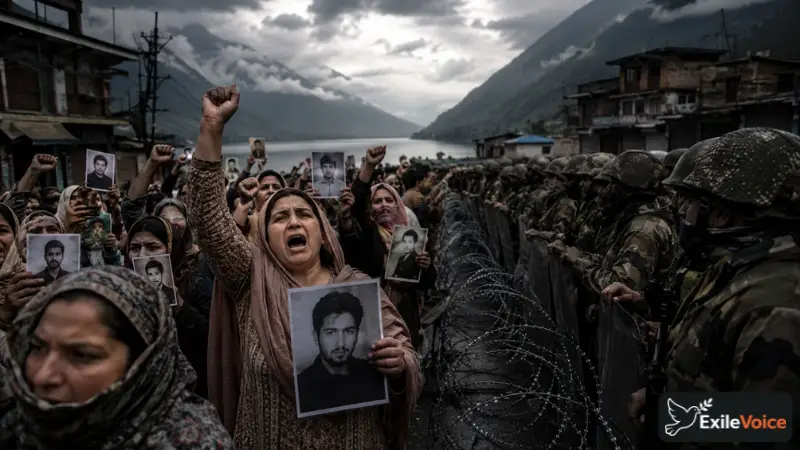
The political landscape in Azad Kashmir has reached a critical juncture, characterized by intense public outcry and serious allegations of human rights abuses. Following weeks of civil unrest and reported violence, the Kashmir Action Committee (KAC) has brought forward grave accusations against the local authorities and military administration, specifically concerning the alleged disappearance of individuals during recent crackdowns.
According to reports, the central contention revolves around the demand for the return of bodies of those allegedly killed during clashes with security forces. The KAC, backed by a segment of the public, has made the retrieval of these remains a prerequisite for any potential dialogue with the administration. This demand comes amidst broader grievances regarding basic infrastructure, including the availability of essential medical equipment and the stabilization of commodity prices.
Observers point to a pattern of state response that mirrors actions seen elsewhere in the country, where dissent is often countered with labels of treason or foreign agency involvement. The reported suppression of food and medicine supplies to certain areas has further exacerbated the tension, drawing international attention and condemnation.
Simultaneously, the legal status of the Pakistan Tehreek-e-Insaf (PTI) in Azad Kashmir has become a focal point of discussion. Despite the party’s challenges in participating as a recognized entity in other regions of Pakistan, the Azad Kashmir High Court recently directed the authorities to facilitate the party's registration and provide an electoral symbol. This has sparked speculation about the motivations behind this shift, with critics suggesting a potential attempt to utilize the party’s political capital to manage the fallout of the current crisis, or to implicate it in the administration's contentious actions.
Given these circumstances, there is a strong sentiment that political parties should exercise caution. Many argue that until the fundamental issues, including the accountability for human rights violations and the resolution of the humanitarian crisis regarding the missing individuals, are addressed, participating in upcoming elections may be perceived as endorsing the current status quo, thereby damaging the credibility and future political prospects of the involved parties.