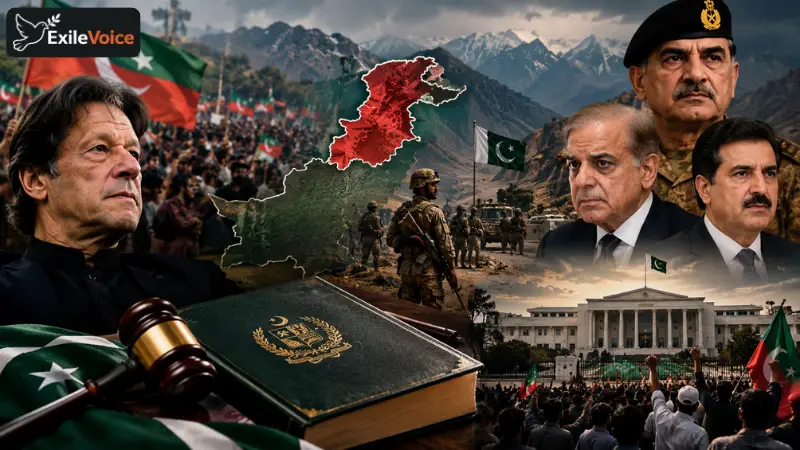
Pakistan's legal and administrative framework continues to face intense scrutiny following high-profile judicial decisions and administrative actions. Recent high-profile cases have reignited debates regarding equitable justice and the consistent application of the law across different socioeconomic strata. Observers frequently highlight disparities in how high-profile defendants versus ordinary citizens navigate the judicial process, raising questions about transparency and institutional fairness.
At the administrative level, citizens attempting to seek better economic prospects abroad frequently encounter systemic hurdles at airports. Despite holding valid documentation and employment visas, travelers often face arbitrary offloading and bureaucratic harassment. Courts have intervened to question these practices, demanding clear legal justifications for restricting citizens' mobility, yet enforcement of judicial directives remains inconsistent.
These systemic challenges extend into broader governance issues, where public trust in state institutions is tested daily. Ensuring true institutional reform requires transparent legal proceedings, strict adherence to due process, and the dismantling of preferential treatment for influential individuals. Strengthening the rule of law is essential for restoring public confidence and building a stable, equitable administrative structure.