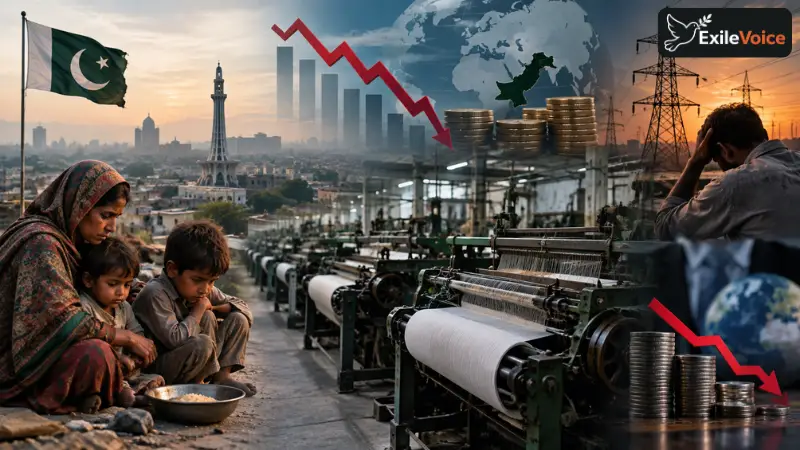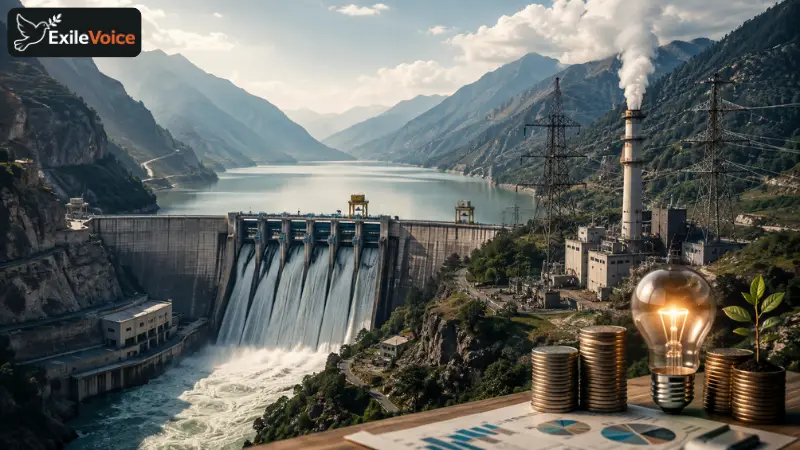
Recent disclosures from leaked government documents highlight critical developments regarding the Diamer Bhasha Dam project and its projected 4,500 megawatts of hydroelectric power capacity. This infrastructure initiative is designed to harness significant energy resources, equivalent to a substantial portion of the nation's peak energy consumption, which typically hovers between 22,000 and 26,000 megawatts.
Internal government assessments suggest potential friction between integrating large scale clean energy from the dam and pre-existing independent power producer contracts. Critics and policy analysts point out that the introduction of high-capacity, cost-effective hydroelectric generation could alter supply and demand dynamics, raising questions about the longevity and financial viability of legacy thermal power agreements. Previous administrations attempted to restructure these agreements to alleviate financial burdens, navigating complex international and domestic legal frameworks to protect public interests.
The Diamer Bhasha Dam remains a focal point for infrastructure development and fiscal planning, representing a strategic shift toward domestic, sustainable energy generation. Addressing the structural complexities of power sector contracts while advancing critical hydro projects requires transparent governance and a long-term commitment to economic stability.