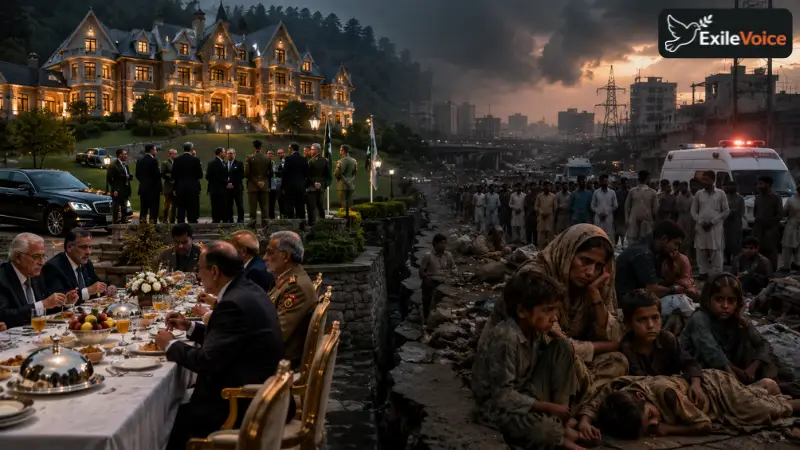
In the current political climate of Pakistan, a stark dichotomy has emerged between the ruling elite and the common populace. Recent developments, including high-level meetings between retired military leadership and current authorities, have intensified public frustration. While government officials and influential figures are allegedly enjoying the amenities of state-owned luxury guest houses in Murree, the general public faces severe hardships.
The recent 14th of August celebrations served as a backdrop for what critics describe as an unbridled display of privilege. Reports indicate that administrative resources, intended for public service, were diverted to cater to the personal entourages and extended families of government officials. This mismanagement has placed an immense burden on local district administrations, who struggle to accommodate the influx of guests while simultaneously failing to address the fundamental needs of their constituents.
The disparity is not merely limited to luxury accommodation; it reflects a deeper structural imbalance. While the elite engage in political maneuvering and the consolidation of power, the average citizen is grappling with severe crises. For instance, recent reports highlight a shocking surge in HIV/AIDS cases at a prominent public hospital in Islamabad, linked to systemic negligence in blood transfusion services. Simultaneously, the tragedy in Kot Addu, where citizens lost their lives in a ferry accident, saw a delayed and inadequate response from local rescue services. Footage allegedly showing rescue personnel engaged in leisure activities while families searched for their loved ones has further eroded public trust.
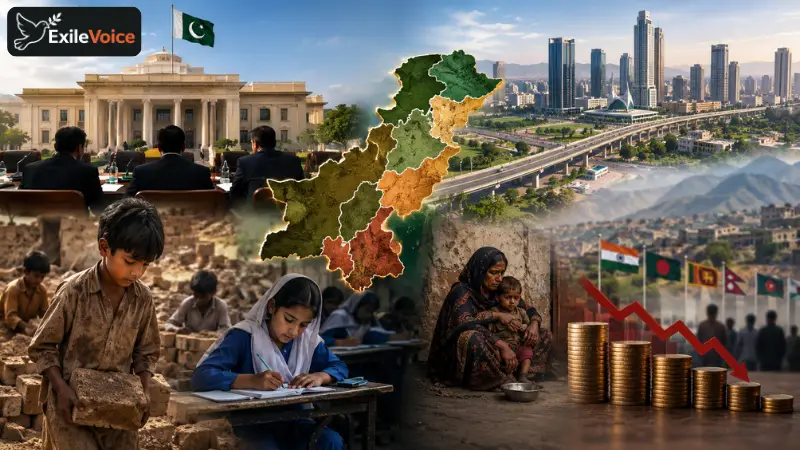
Economic instability remains a critical issue, with total debt reaching historic levels. Financial experts warn that the interest payments on this debt far exceed the nation's total defense budget, leaving the country in a precarious position. The focus on political survival and the distribution of state honors among the elite, rather than addressing these systemic failures, has drawn sharp criticism. As the country faces these monumental challenges, the call for accountability and a shift in governance priorities is becoming increasingly vocal across various segments of society.