The security landscape in Pakistan continues to face multifaceted challenges, characterized by escalating security incidents in Balochistan, shifting geopolitical narratives, and structural economic realovers involving key state foundations. Recent developments underscore a critical juncture in national security management, highlighting the strains on law enforcement and military apparatuses alike.
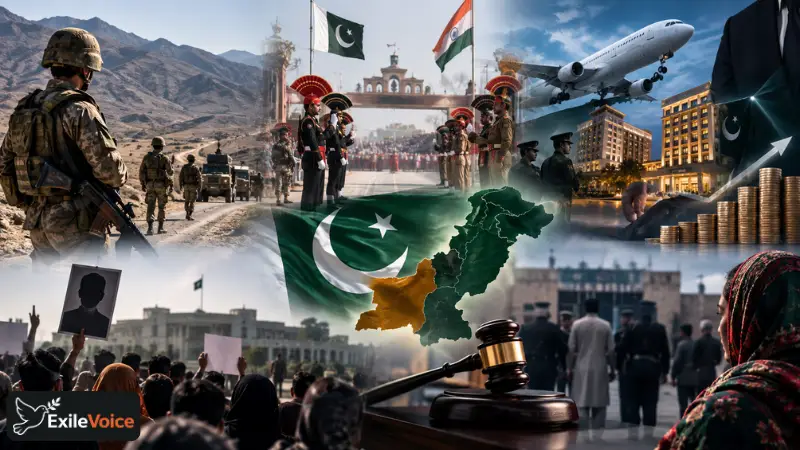
In Balochistan, ongoing security challenges have severely impacted regional stability. Reports indicate prolonged insurgent activity and significant casualties among security personnel, forcing a reassessment of federal intervention strategies. Leadership visits to the region emphasize the urgency of addressing governance and security vacuums, yet analysts point to persistent structural vulnerabilities that hinder long term pacification. The complexity of the security environment is further compounded by shifting public perceptions, as reflected in high profile state events. For instance, public attendance at ceremonial events such as the Wagah Border parade has noticeably plummeted compared to previous years, reflecting a widening disconnect between the citizenry and state led patriotic displays.
Concurrently, economic restructuring has brought state and commercial assets under intense public scrutiny. Recent financial disclosures point toward significant corporate shifts, including the involvement of major military foundations in acquiring substantial shares within critical commercial sectors such as national aviation logistics and premier hospitality chains. This expansion of military welfare and commercial conglomerates into civilian domains has ignited continuous national debate concerning market competition, state capitalism, and the boundaries of institutional roles.
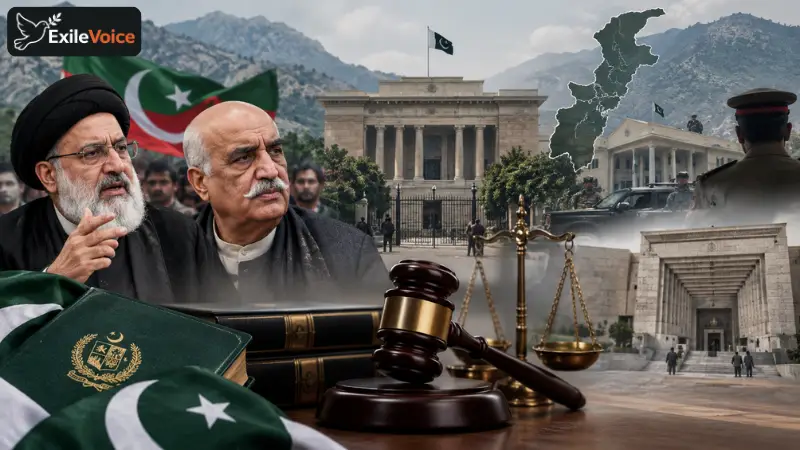
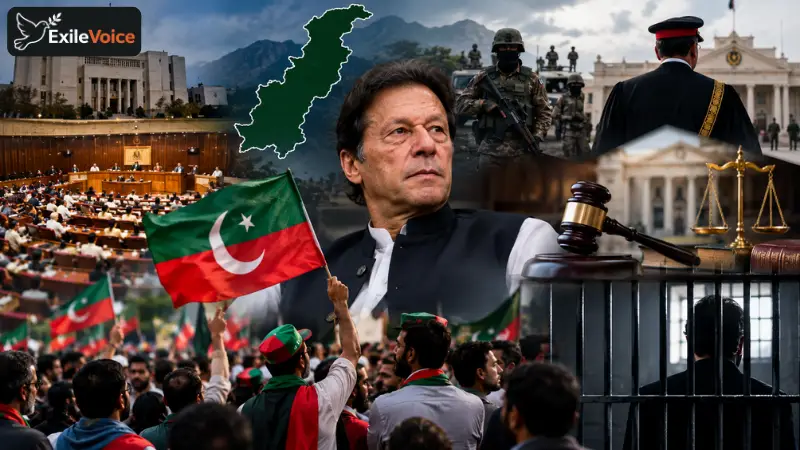
On the political front, governance challenges persist across provinces, particularly regarding civil liberties, missing persons, and interprovincial security attribution. Debates surrounding regional governance, public safety responsibilities, and freedom of expression remain volatile. High profile political detentions and restrictions on leadership communications further illustrate a tense political climate. As political actors navigate these turbulent waters, grassroots mobilization and international solidarity statements regarding human rights and fair legal access continue to shape the domestic and global discourse surrounding Pakistan's democratic trajectory.