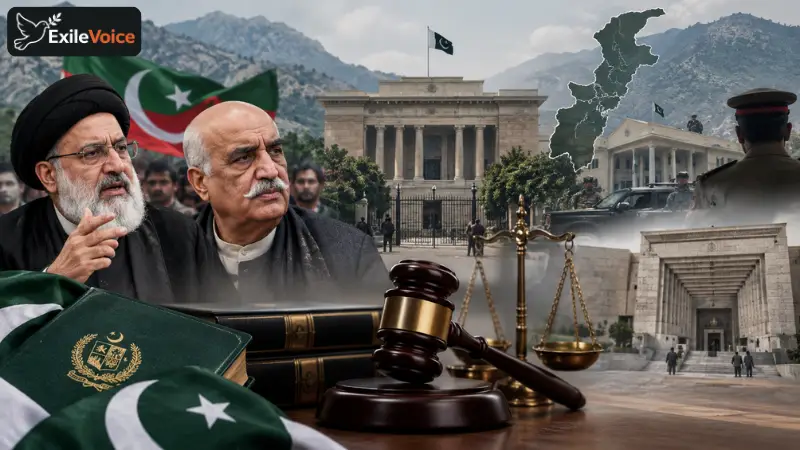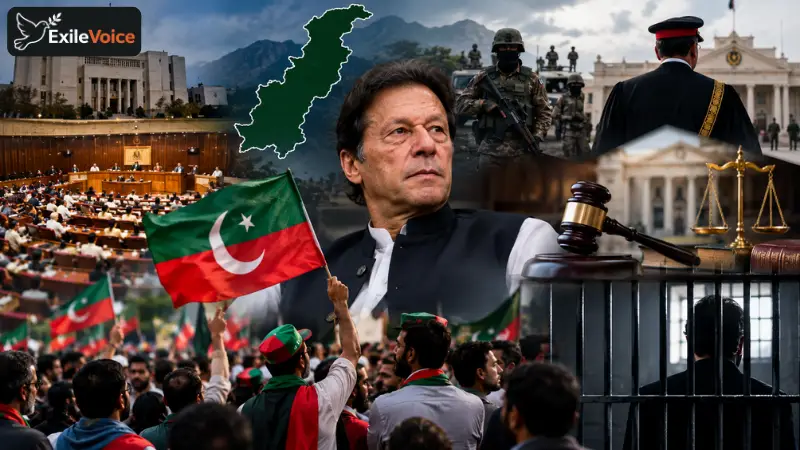
The recent landscape of Pakistani jurisprudence has undergone a seismic shift with the establishment and immediate activation of the "Constitutional Court" or constitutional benches. This structural change, while framed as a reform to streamline the judiciary, has sparked intense debate regarding the protection of fundamental rights and the executive's influence over legal outcomes. A primary example of this tension manifested recently in a high-stakes case regarding the authority of the Passport and Immigration Department.
Previously, a High Court ruling had established a critical safeguard for citizens: the department could not arbitrarily block an individual’s passport without providing a concrete reason or following due process. This was seen as a victory for civil liberties, ensuring that the right to travel, a fundamental human right, was protected against political victimization or administrative overreach. The High Court emphasized the need for clear Standard Operating Procedures (SOPs) and accountability to prevent the "blind exercise of power."
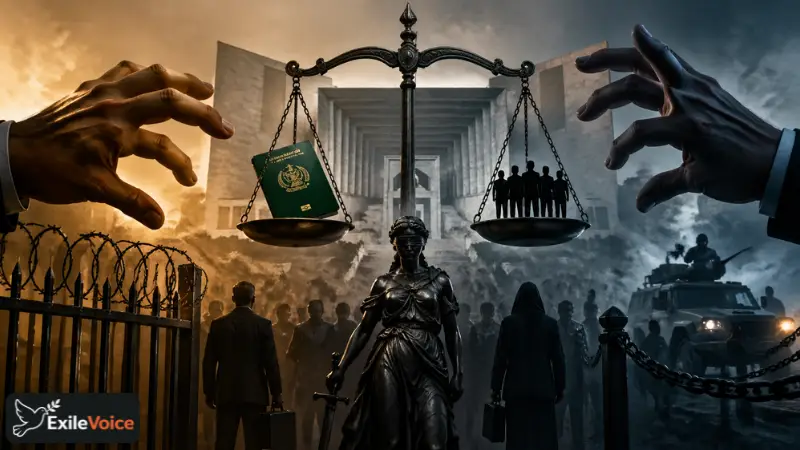
However, this protection was recently overturned in a swift proceeding before the newly formed constitutional bench. Observers have noted with concern that the decision to set aside the High Court's order occurred with remarkable speed, allegedly without granting the opposing party a full hearing. This reversal restores "blind authority" to the Passport and Immigration Department, allowing them to block travel documents at will.
The professional implications of this are profound. For businessmen, activists, and political figures, the passport has now been transformed from a travel document into a potential tool of coercion. Insights from the ground suggest that such powers are often leveraged for "targeted administrative killing", not of the person, but of their livelihood and freedom. There are reports of a "mafia-like" structure where individuals are forced to pay significant sums or succumb to political pressure to have their names removed from exit control lists or to unblock their documents.
Furthermore, this development signals a broader trend where the judiciary appears to be transitioning from a guardian of the constitution to a facilitator of executive mandates. When the highest legal forums prioritize state convenience over individual safeguards, the social contract is significantly weakened. The speed at which these "scripted" decisions are delivered undermines public trust in the independence of the legal system, suggesting that the "Field Master" of the state now holds sway over the scales of justice.