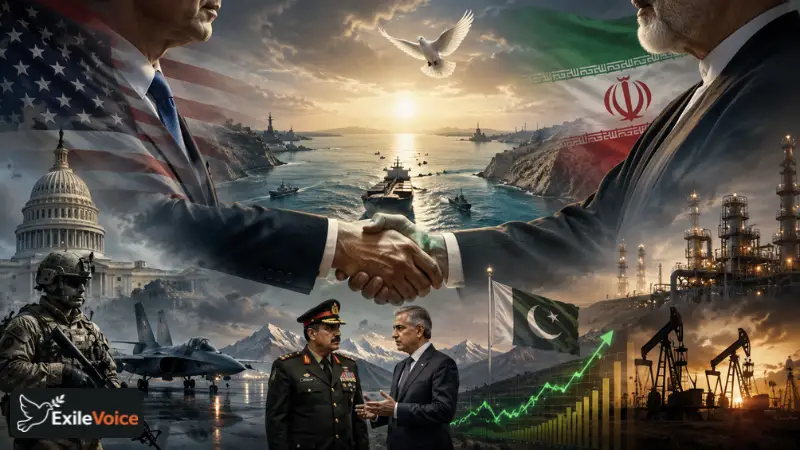
The geopolitical landscape of the Middle East has undergone a seismic shift following the announcement from the United States that the offensive phase of the conflict with Iran, recently termed "Epic Fury," has officially concluded. Secretary of State Marco Rubio confirmed that the U.S. has achieved its primary military objectives, signaling a transition from active kinetic warfare to a phase of strategic containment and economic leverage. This announcement marks a pivotal moment for global stability, as many observers had previously feared the escalation could spiral into a broader regional or even global conflict.
The transition is not merely a change in military status but a rebranding of the American approach. The operation, which lasted 67 days and was marked by intense naval skirmishes and drone strikes, is being repurposed under the moniker "Economic Fury." This indicates that while the missiles may stop flying, the pressure on Tehran will remain relentless through financial sanctions and diplomatic isolation. The U.S. maintain its stance that Iran will not be allowed to control the Strait of Hormuz, a critical chokepoint for the world’s oil supply, ensuring that the global economy remains shielded from unilateral Iranian interference.
A significant, yet often overlooked, aspect of this de-escalation is the role of back-channel diplomacy involving regional players. Pakistan, led by General Asim Munir and Deputy Prime Minister Ishaq Dar, appears to have played a crucial "messenger" role in facilitating communication between Washington and Tehran. Despite the public posturing, the reality of the ceasefire suggests that a "Project Freedom" initiative was launched over the weekend to secure a final deal. This mediation highlights a complex paradox: while the U.S. military-industrial complex continues to seek new theaters of operation, moving focus toward jungle training in Panama and securing resources in South America, it relies on traditional regional allies to manage the exit from Middle Eastern quagmires.
The market response to this de-escalation has been overwhelmingly positive. Major indices, including the S&P 500 and Nasdaq, saw significant rallies as the threat of a full-scale energy crisis subsided. However, the cost of this "peace" is unevenly distributed. While global markets celebrate, nations like Pakistan grapple with the aftermath of the conflict, facing record trade deficits and dwindling foreign exchange reserves. The "offensive phase" may be over, but the economic struggle for the frontline states involved in the mediation is only just beginning.