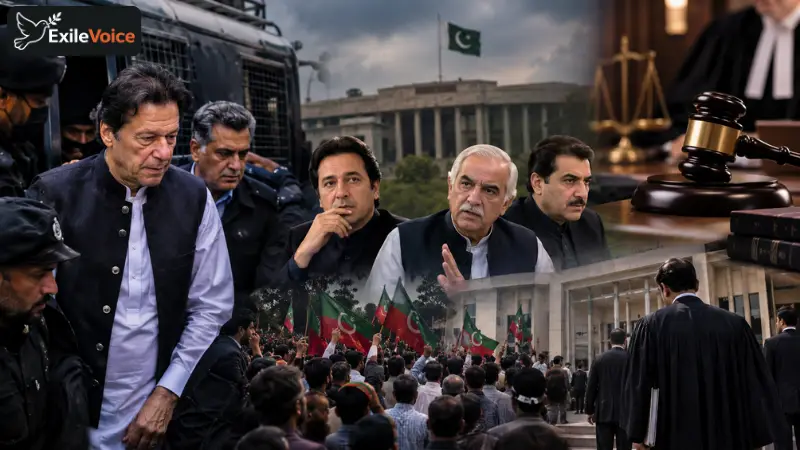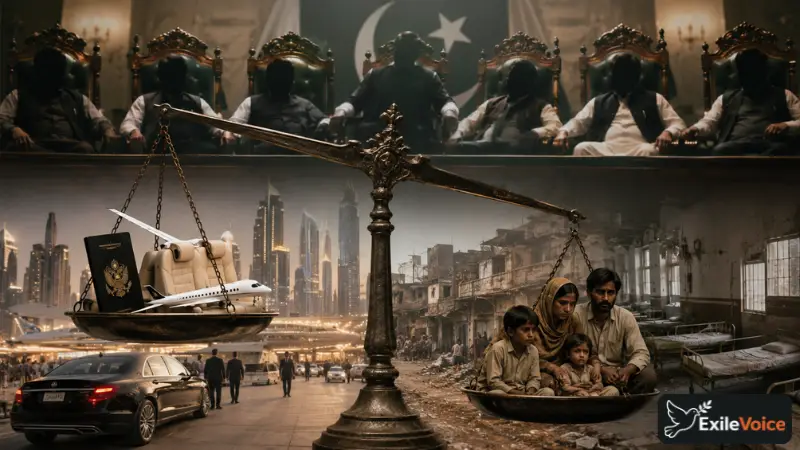
The political landscape in Pakistan is currently defined by a sharp disconnect between the rhetoric of political leaders and their actual administrative conduct. A focal point of recent criticism is the hypocrisy surrounding the provision of lifetime perks, such as diplomatic passports and travel privileges, to members of provincial assemblies. While various political factions engage in public finger-pointing, records indicate that the legislative bodies in Sindh, Punjab, and now Khyber Pakhtunkhwa have all passed or maintained laws that grant these lifelong benefits to current and former legislators and their families.
This cycle of entitlement is increasingly being challenged by the public and critical voices who argue that such privileges are egregious, especially given the state of the national economy and the absence of adequate public facilities. The commentary highlights a profound irony: officials often seek medical care abroad, such as in Abu Dhabi, because local healthcare infrastructure has been neglected for decades, despite these same leaders holding power for extended periods.
Furthermore, the discussion extends to the internal challenges facing parties like the Pakistan Tehreek-e-Insaf (PTI), where critics observe a deviation from the party’s original ideals of meritocracy and anti-corruption. Reports of legislators prioritizing personal benefits, such as protocols and passports, over the political struggle of their leadership have fueled public disillusionment. This trend of institutional decay is exacerbated by reports of local officials admitting their inability to ensure security, signaling a broader breakdown in state authority. The analysis suggests that the pursuit of personal gains at the expense of public service is a systemic issue that transcends individual party lines, requiring a fundamental shift in political culture and a return to the rule of law.