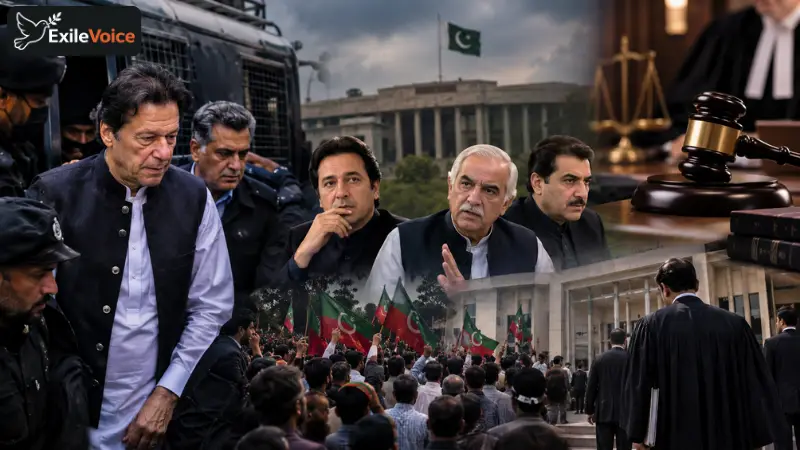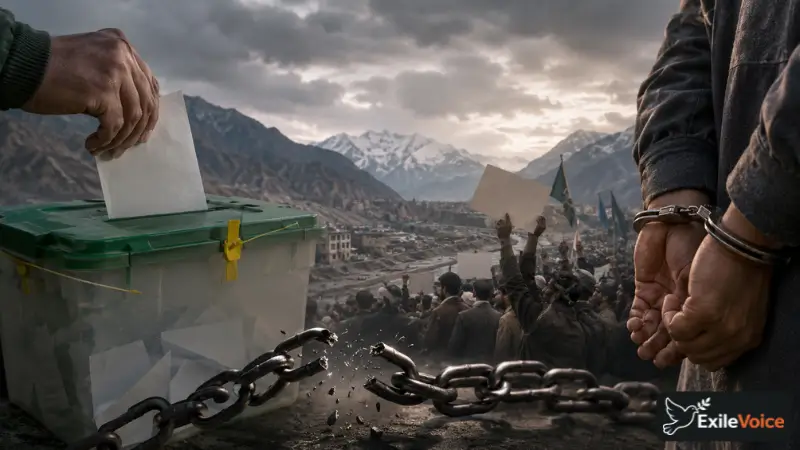
The recent elections in Gilgit-Baltistan have once again ignited intense debate regarding the integrity of Pakistan’s electoral processes. Following the announcement of results, major opposition parties, most notably the Pakistan Tehreek-e-Insaf (PTI), have categorically rejected the outcome. Allegations of electoral malpractice, ranging from discrepancies between Form 45 and Form 47 to viral footage purportedly showing procedural irregularities, have become a recurring narrative in Pakistan's political landscape.
However, focusing solely on the mainstream political maneuvering, often described by critics as a "power-sharing" arrangement among the ruling elite, overshadows a more profound, developing crisis at the grassroots level. The true casualty of this political climate is not necessarily the success or failure of mainstream parties, but the systemic suppression of local movements that advocate for genuine regional autonomy, rights, and representation.
Particularly concerning is the targeting of grassroots organizations like the Awami Action Committee (AAC) in Gilgit-Baltistan. Leaders of this movement, such as Advocate Ehsan Ali, were arrested earlier this year, mirroring actions taken against similar groups in Azad Jammu and Kashmir. These activists were reportedly criminalized for demanding fundamental rights, including fair taxation, consistent electricity and gas supply, and meaningful political autonomy. The labeling of these indigenous demands as "anti-state" activities highlights a concerning trend where legitimate grievances are systematically silenced, deepening the alienation of local populations from the federal structure.
This exclusionary approach to governance not only hampers democratic development but also erodes public faith in the electoral system itself. As political actors continue to prioritize short-term power dynamics over addressing the structural issues raised by local communities, the potential for prolonged instability and increased distrust in state institutions continues to grow.