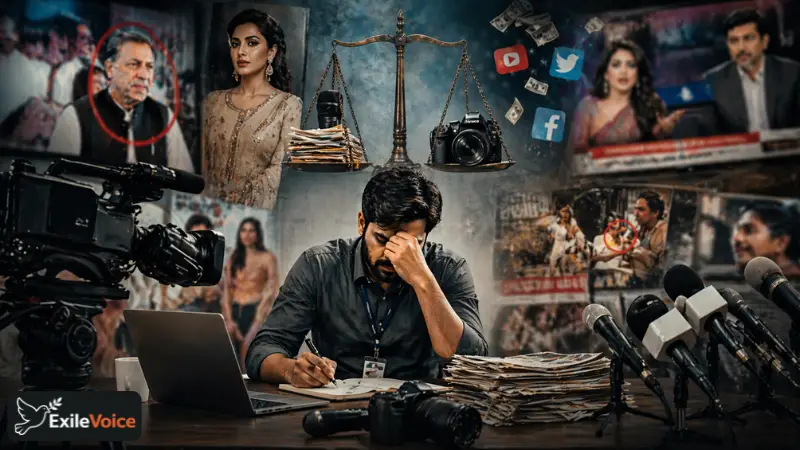
The landscape of Pakistani journalism is currently embroiled in a debate over professional ethics, sensationalism, and the perceived hypocrisy of its leading figures. Recent criticisms from veteran journalists, such as Ansar Abbasi, have highlighted a "decline in manners" and a race for ratings that prioritizes scandal over substance. However, these critiques have sparked a counter-narrative regarding the consistency and integrity of the critics themselves.
One of the primary points of contention is the disconnect between editorial preaching and the content produced by major media houses. While senior editors decry "dirty journalism," their own platforms often lead the charge in sensationalized coverage of the private lives of political figures. The focus on trivialities—such as the "viral" nature of a Prime Minister's attire or his "sense of style", is cited as a prime example of fluff pieces that displace serious investigative reporting on the country's economic and security challenges.
The transition to digital media has further complicated the ethical framework. There is a growing trend of journalists dismissing certain platforms or revenue models as "unethical" or "unlawful," only to continue benefiting from them through their corporate affiliations. For instance, the claim that YouTube revenue is "haram" (prohibited) while continuing to draw a salary from media groups that survive on digital ad revenue is seen by many as a peak of professional hypocrisy.
This credibility gap is alienating the audience. When the public perceives that journalists are using moral high grounds as a shield for their own lack of viewership or influence, the entire fourth pillar of the state weakens. Professionalism in journalism requires a commitment to truth that transcends personal biases and corporate interests. Until the media can hold itself to the same standards it demands of the public and the government, the "filth and vulgarity" often lamented by insiders will continue to define the industry.