Washington D.C. is currently abuzz with deeply concerning reports regarding the internal dynamics of the White House and the mental state of the U.S. presidency during the ongoing Iran crisis. While the administration maintains a public image of strength and resolve, investigative reports from major publications like The Wall Street Journal and The Atlantic suggest a different reality behind closed doors. These reports paint a picture of an administration struggling to manage both a regional war and the erratic behavior of its Commander-in-Chief.
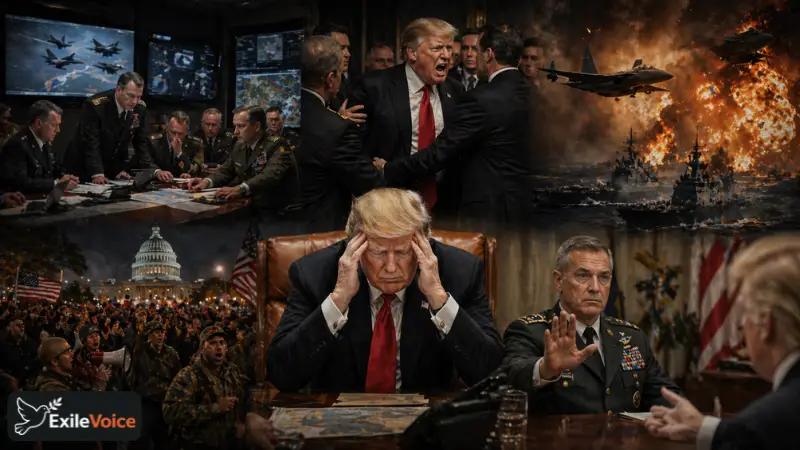
According to these disclosures, the "pilot crisis", involving the missing F-15E pilots, triggered a significant nervous breakdown within the Oval Office. Sources claim that President Trump engaged in hours of vocal outbursts, necessitating his temporary removal from the Situation Room to allow military and intelligence officials to focus on recovery operations. This has led to a startling dynamic where the Joint Chiefs of Staff are reportedly fighting two battles: one in the Persian Gulf against Iran and another within the White House to maintain constitutional and operational order.
Perhaps the most explosive allegation involves a purported emergency meeting where the President attempted to gain access to nuclear launch codes for a strike against Iran. Reports originating from former intelligence officials suggest that the Chairman of the Joint Chiefs of Staff, General Dan Kane, stood his ground and refused the request, citing the catastrophic implications of such an escalation. While these reports remain unconfirmed by official government channels, the widespread discussion of such an event in Washington circles indicates a historic level of friction between the civil and military leadership.
Furthermore, there are allegations that presidential aides are intentionally keeping the President "in the dark" about the strategic failures of the war. The Atlantic reports that advisors are filtering information, fearing the President cannot handle the "bitter reality" of the conflict. This creates a dangerous constitutional scenario where the primary decision-maker is operating based on a "dream" of military success fueled by images of destruction, rather than a realistic assessment of strategic gains.
This internal chaos is reflected in public opinion. Recent Reuters polling indicates that President Trump’s approval rating has plummeted to 36%, with a significant 63% disapproval rate. The American public’s growing skepticism about the President’s temperament is coinciding with internal dissent, as evidenced by groups of war veterans occupying congressional buildings to demand an end to the hostilities. The combination of declining public trust and internal administrative dysfunction represents a significant challenge to the stability of the U.S. government during a time of war.