

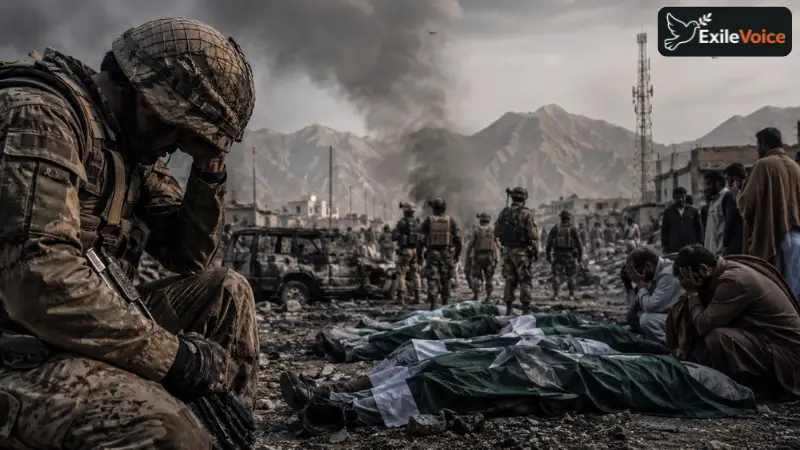
The recent surge in violence in Balochistan, characterized by severe terrorist attacks near Quetta, has brought the issue of institutional accountability to the forefront of national discourse. The incident resulted in the loss of numerous lives, including security personnel. A particularly alarming observation is that these attacks occurred within close proximity to major urban centers, areas that were previously considered relatively secure.
Professional analysis of such security lapses often highlights a breakdown in communication and a lack of rapid response. Critics argue that despite repeated distress calls from personnel on the ground during the hours-long engagements, the necessary reinforcements failed to arrive in time. This has prompted deep-seated frustration regarding the operational protocols of those in command. When comparing these events to historical instances, such as the tragic Peshawar school attack or the strategic ambiguity surrounding the Kargil conflict, analysts point to a recurring pattern where accountability for operational failures is either deferred or entirely ignored.
Furthermore, reports suggest that a significant number of security personnel have submitted resignations, citing a lack of adequate protection and state support for those serving on the front lines. The emotional toll on families, compounded by the logistical failures in recovering the bodies of the fallen, has created a widening trust deficit between the public and state institutions. The situation in Balochistan is not merely a regional security challenge; it represents a systemic crisis where the lack of an honest assessment of past failures continues to undermine the efficacy of current security operations. To restore public confidence, there must be a rigorous, transparent investigation into why established command structures have, in certain instances, failed to protect both their subordinates and the citizens they are sworn to defend.

