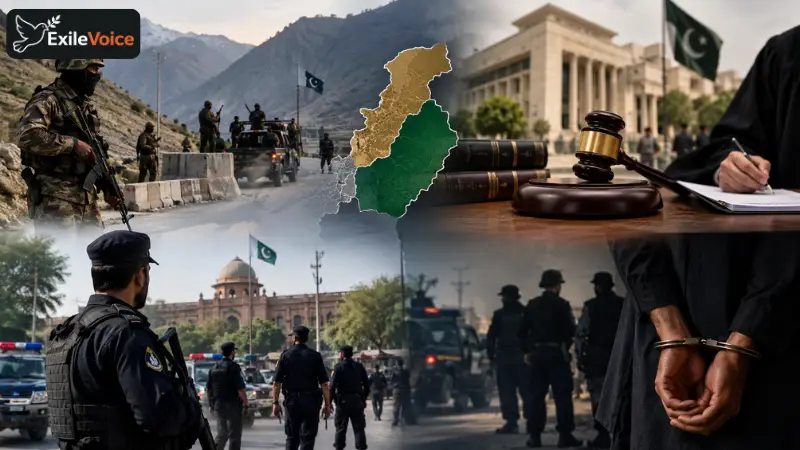
The domestic security apparatus in Punjab, Pakistan, faces profound scrutiny following a tragic operational failure near the CCID police station in Chakwal. A dual Pakistani-Australian national, identified as Mr. Adeel, had recently returned to Pakistan from Australia with his wife, Dr. Sidra, and their two young children to perform the Hajj pilgrimage. Seeking a brief family reconnection before their scheduled return flight back to Australia, the family was instead met with severe systemic violence that highlights the fraying rule of law within the province.
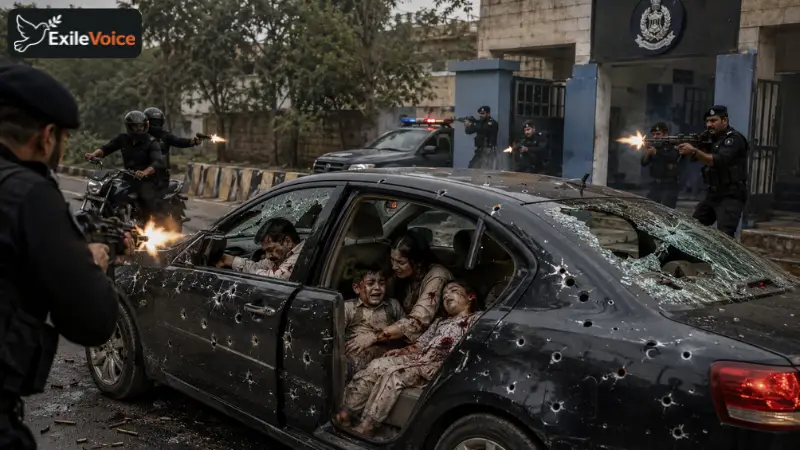
While driving through Chakwal, the family was ambushed by armed robbers on motorcycles attempting a roadside heist. The incident unfolded in close geographic proximity to a CCID police station. According to localized reports and eyewitness accounts, the emergent response from the station personnel bypasses traditional tactical protocols entirely. Officers who emerged from the facility began firing indiscriminately, demonstrating an alarming lack of situational awareness or threat assessment.
In the ensuing crossfire, the targeted family attempted to accelerate out of the danger zone to secure their safety. Tragically, the police personnel pivoted their firearms from the fleeing suspect motorcyclists and unleashed a sustained volley directly into the civilian vehicle. The catastrophic decision-making process left the car riddled with bullets from both the front and rear. The consequences were immediate and devastating: the couple’s ten-year-old daughter was shot and killed on the spot, while Mr. Adeel and his young son sustained severe bullet wounds, requiring urgent critical hospitalization.
Legal and human rights analysts point out a more systemic issue regarding the institutional accountability structure governing these specialized wings. In the aftermath of the tragedy, the institutional inquiry into the shooting was assigned to the exact same CCID unit responsible for the lethal discharge. This inherent conflict of interest has amplified concerns raised before the Lahore High Court, where various human rights petitions allege a staggering spike in extrajudicial killings, staged police encounters, and unmonitored enforcement practices under political cover.
Public policy experts emphasize that when elite enforcement squads are given unchecked operational mandates without judicial review or strict compliance protocols, the border between civil defense and institutional lawlessness vanishes. The tragic loss of a young expatriate life serves as a grim indicator of systemic failures in state-level security architectures where the primary casualties are innocent civilians.