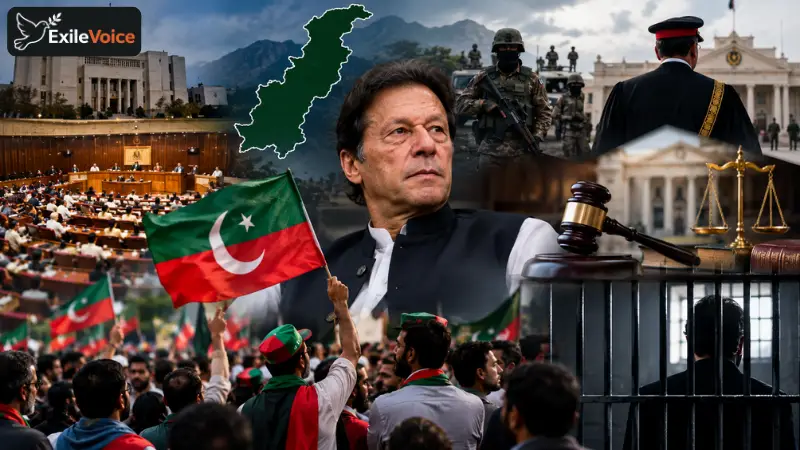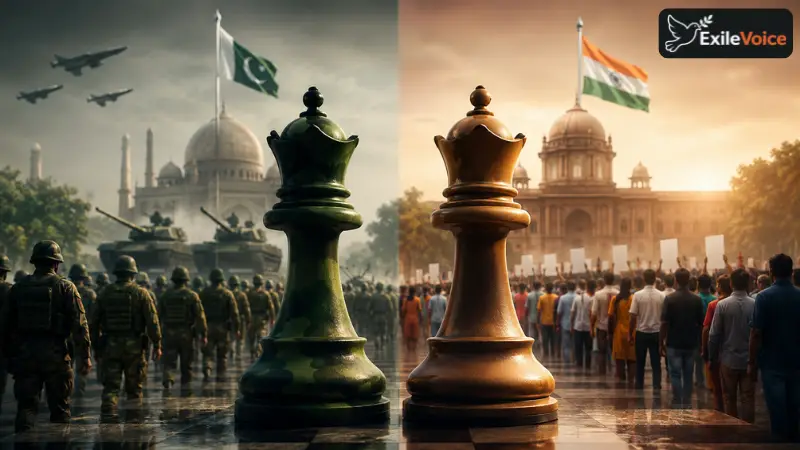
In the complex geopolitical theater of South Asia, the establishments of Pakistan and India frequently utilize deeply ingrained strategic narratives to justify their national priorities and maintain internal stability. These narratives, often presented with grandiosity and theatrical precision, serve as a foundational element of their respective statecraft. For Pakistan, the national identity is heavily intertwined with the military's role as the guardian of the state. Ceremonial displays, such as the national march-past, function as a psychological anchor for the public, reinforcing the image of an institution that is both invincible and indispensable. This branding exercise is designed to cultivate a sense of national pride and unity, often at the expense of critical discourse regarding internal governance and economic challenges. The "product" being sold to the domestic audience is one of existential protection, ensuring that the establishment remains central to the nation's political and social fabric.
Conversely, India portrays its national identity through the lens of being the "world’s largest democracy." This narrative is centered on the legitimacy derived from massive, long-term electoral processes that are presented as the pinnacle of democratic integrity. The concept of "Incredible India" and the robustness of its voting systems serve as a soft-power tool to project stability and progress to the global community. However, as political landscapes shift and electoral victories become more contested, the veneer of this democratic narrative is increasingly scrutinized. Just as Pakistan’s establishment relies on military displays to solidify its position, India’s political machinery leverages its democratic credentials to consolidate power and influence.
Both nations operate within a framework where the "deep state" or the political establishment relies on manufactured narratives to manage public perception. These narratives are not merely reflections of reality but are carefully curated projections aimed at maintaining the status quo. The analysis suggests that the citizens of both nations have become accustomed to these cycles of rhetoric. The challenge lies in distinguishing between genuine national interest and the strategic branding efforts designed to preserve institutional dominance. By examining these performances, it becomes clear that while the mediums differ, military strength versus democratic process, the underlying objective remains consistent: the maintenance of authority through the monopolization of the national narrative. As these nations move forward, the effectiveness of these traditional branding strategies may face unprecedented challenges from a more informed and skeptical digital-age public.