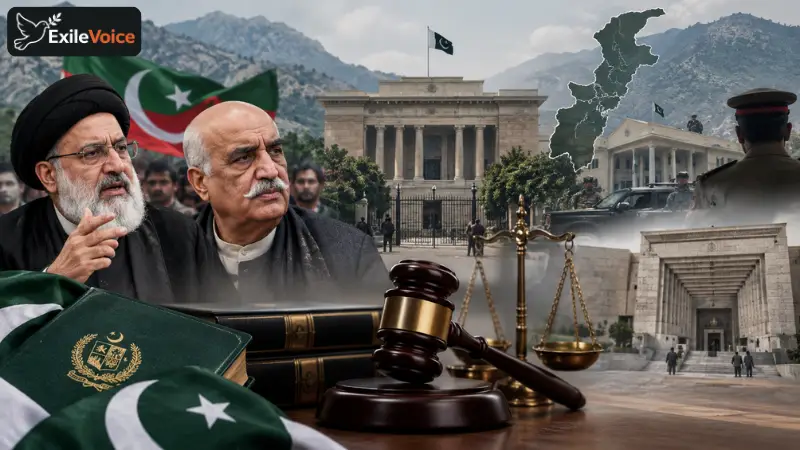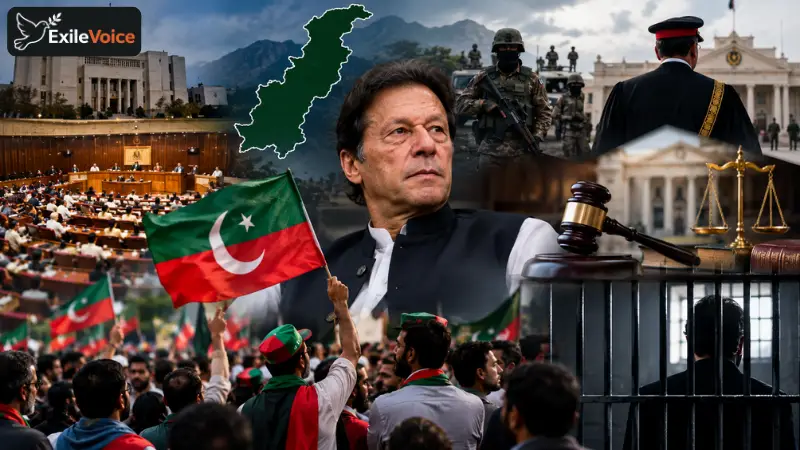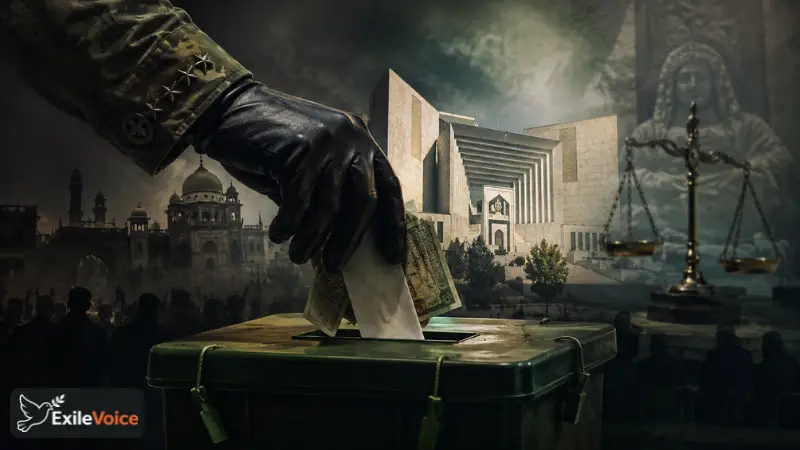
The discourse surrounding Pakistan’s "Form 47" government often brings the nation back to its historical struggles with electoral integrity. A retrospective analysis of the infamous Asghar Khan case provides a sobering look at how institutional interference has shaped the country's democratic trajectory. Decades ago, Air Marshal Asghar Khan took the unprecedented step of petitioning the Supreme Court against the systemic distribution of funds by the Inter-Services Intelligence (ISI) to manipulate the 1990 general elections.
The core of the scandal involved the distribution of approximately 140 million PKR, a staggering sum at the time, to various politicians to ensure the defeat of Benazir Bhutto. Historical records and affidavits from former ISI Chief General Asad Durrani confirmed that these actions were orchestrated under the direction of then-Army Chief Mirza Aslam Beg. Despite the Supreme Court’s eventual ruling in 2012, which declared that the election had indeed been rigged and mandated legal action against the officers involved, the implementation of this verdict remains a ghost in the halls of justice.
The professional insight gathered from this history suggests a persistent "state within a state" phenomenon. While military leadership frequently asserts that the institution has "nothing to do with politics," the lack of accountability for past transgressions creates a culture of impunity. For instance, General Durrani faced a court-martial not for the subversion of the constitution or election rigging, but for co-authoring a book with a former Indian RAW chief, which was deemed a disclosure of "national secrets."
This disparity in justice, where political engineering is overlooked while intellectual "secrets" are punished, continues to undermine the civilian-military relationship. As Pakistan navigates its current political turmoil, the shadow of the 1990s looms large. Without a meaningful reconciliation with its past and a strict adherence to the rule of law as defined by the Supreme Court, the cycle of disputed mandates and "engineered" administrations is likely to persist, further destabilizing the nation's economic and social fabric.