

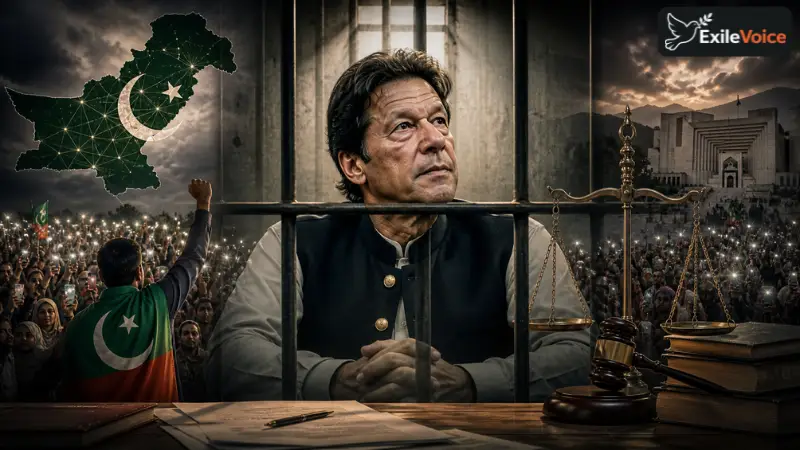
The completion of 1,000 days in incarceration for former Prime Minister Imran Khan marks a significant juncture in Pakistan's political history. This milestone is not merely a chronological count but a testament to a shift in the traditional resistance patterns within the country’s democratic framework. Unlike many political figures who have faced imprisonment in the past, the current environment surrounding Khan’s detention reflects a unique intersection of digital mobilization and a steadfast refusal to engage in traditional political "deals." This "No Deal, No Surrender" stance has redefined the expectations of a political base that increasingly views leadership through the lens of unwavering conviction rather than pragmatic compromise.
The phenomenon of "Imran Khan Day" highlights how the narrative of a confined leader can continue to dominate national discourse. Despite physical absence from the public eye, the influence of his persona persists through a highly decentralized network of supporters. This digital-first resistance has created a "National Conversation" that bypasses traditional state-controlled narratives. The endurance of this movement suggests that the political identity formed over the last decade is less about a traditional party structure and more about a persistent mindset that challenges the status quo.
From a professional analytical perspective, the current stalemate reveals a profound crisis of legitimacy. When leadership is perceived as being maintained through force or legal maneuvering rather than popular mandate, the state's ability to navigate complex geopolitical and economic challenges is severely diminished. Observers note that a credible and legitimate leadership would have a significantly stronger hand in international negotiations, whether dealing with regional powers or global superpowers. The ongoing confinement of a popular leader thus serves as a barometer for the health of the federation and its institutional stability.
Furthermore, the legal and human rights implications of prolonged solitary confinement are coming under increasing international scrutiny. Experts argue that when detention moves beyond simple incarceration into psychological isolation, limiting access to literature, news, and family, it risks being categorized as a form of specialized pressure. The resilience shown in these conditions has paradoxically strengthened the symbol of the leader, transforming the individual into a focal point for broader grievances regarding judicial independence and civil liberties.

