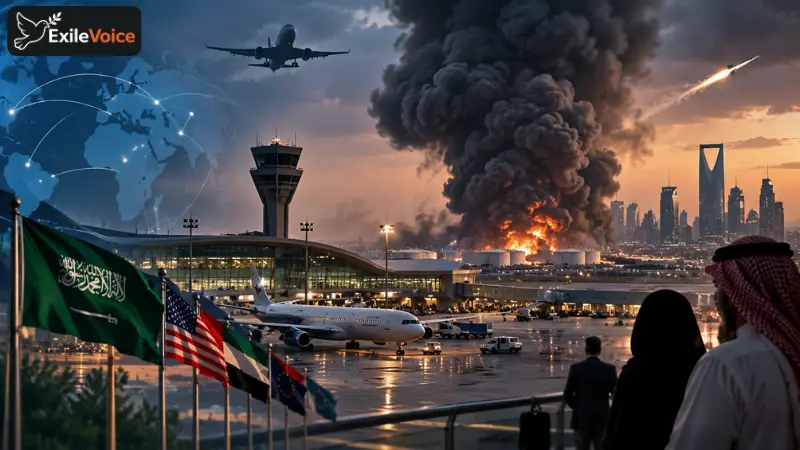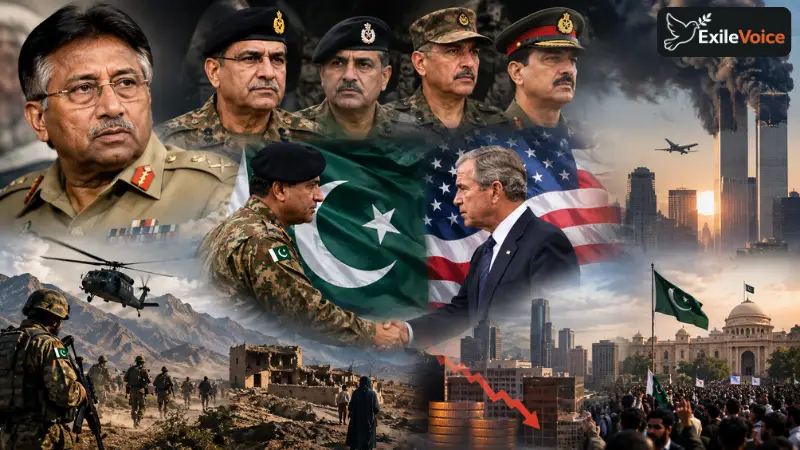
The geopolitical landscape of the Middle East and its ripple effects on South Asia are undergoing a profound transformation. As traditional alliances shift, countries like Pakistan find themselves navigating a complex web of interests involving the United States, Iran, Saudi Arabia, and the UAE.
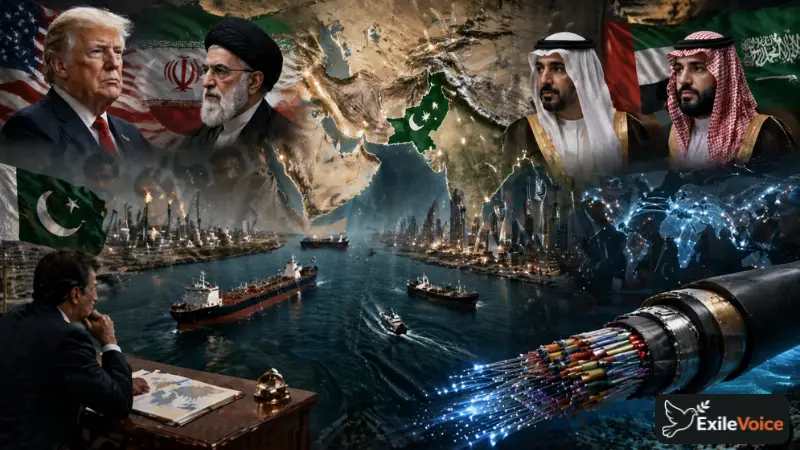
A critical point of tension is the ongoing negotiation between Iran and the U.S. While the U.S. has expressed interest in de-escalating through dialogue, Iran has maintained a position of strength, fueled by what some European leaders, including the German Chancellor, describe as a "humiliation" of U.S. interests in recent regional conflicts. Iranian officials have expressed skepticism regarding Pakistan’s role as a mediator, citing its perceived tilt toward Washington. This lack of trust complicates Pakistan's efforts to position itself as a neutral bridge between the East and West.
Simultaneously, a "cold war" of influence is emerging within the Gulf. The UAE and Saudi Arabia are increasingly diverging in their approach to regional stability and economic support. While the UAE has recently called back significant financial deposits from Pakistan, Saudi Arabia has stepped in to fill the void. This highlights a strategic realignment where the UAE is strengthening ties with India, while Saudi Arabia reinforces its role as a primary benefactor for Pakistan.
Beyond traditional warfare and finance, the concept of "gray zone" warfare is gaining prominence. The Strait of Hormuz is not only a vital artery for the world’s oil but also a hub for 15 major undersea internet cables. These cables are the lifeblood of the global digital economy, supporting everything from banking and stock exchanges to healthcare data and shipping logistics. The potential for these cables to be used as leverage in international disputes represents a new frontier of vulnerability. A disruption in this infrastructure would cause a total digital blackout for major Gulf economies, proving that in the modern age, the most effective weapons are not always bullets, but the wires that connect the world.
As these regional players jockey for position, the need for a balanced and independent foreign policy has never been more urgent for Pakistan. The intersection of energy security, digital infrastructure, and financial stability will define the next decade of regional relations.