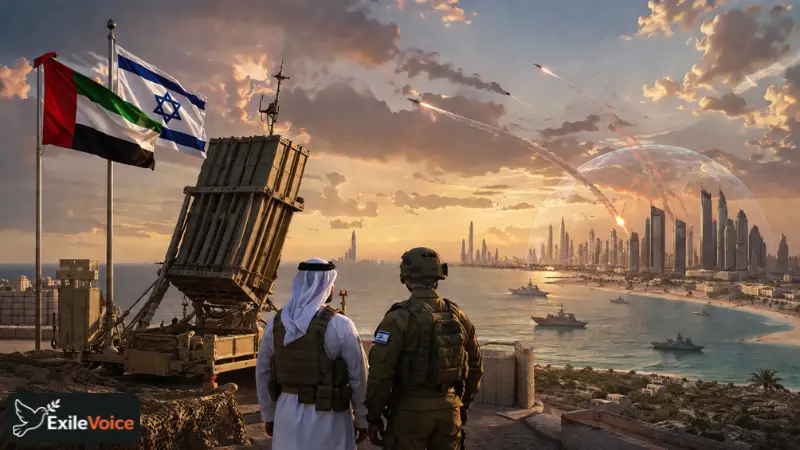
In a revelation that has sent ripples through the corridors of power in the Middle East, reports have surfaced regarding a profound level of military cooperation between the United Arab Emirates and Israel. According to reports from the American journal HBO Access, during recent periods of heightened tension involving Iran, Israel took the unprecedented step of deploying its military personnel and the sophisticated Iron Dome defense system to the UAE. This move signifies more than just a temporary security arrangement; it represents a fundamental shift in the regional balance of power.
The Iron Dome, a cornerstone of Israel’s defense infrastructure often associated with American technological backing, was reportedly sent to protect UAE territory against incoming drone and missile threats originating from Iran. This collaboration occurred during a timeframe where Iran was actively targeting American bases and regional interests across the Middle East, with the UAE being a primary focus of these strikes. The presence of Israeli troops on Emirati soil to operate these systems marks a historical milestone in the normalization and strategic convergence of the two nations.
This deepening partnership is not without its complications. While the UAE and Israel find common ground in their opposition to Iranian regional influence, this closeness may create friction with other neighbors. Countries such as Saudi Arabia and Oman are watching these developments with caution. The convergence of Israeli and Emirati interests suggests a long-term strategic partnership that could redefine maritime security, particularly concerning the Strait of Hormuz.
The tension regarding the Strait of Hormuz remains a flashpoint. While some regional actors, like Bahrain, have attempted to navigate this through United Nations resolutions, which were subsequently vetoed by Russia and China, the UAE has expressed a more assertive stance. The Emirates have indicated a readiness to use naval force to ensure the strait remains open and free from Iranian control. This assertive posture, backed by clandestine military support from Israel, suggests that the UAE is positioning itself as a dominant maritime power in the region, willing to bypass traditional diplomatic channels in favor of robust defense alliances.