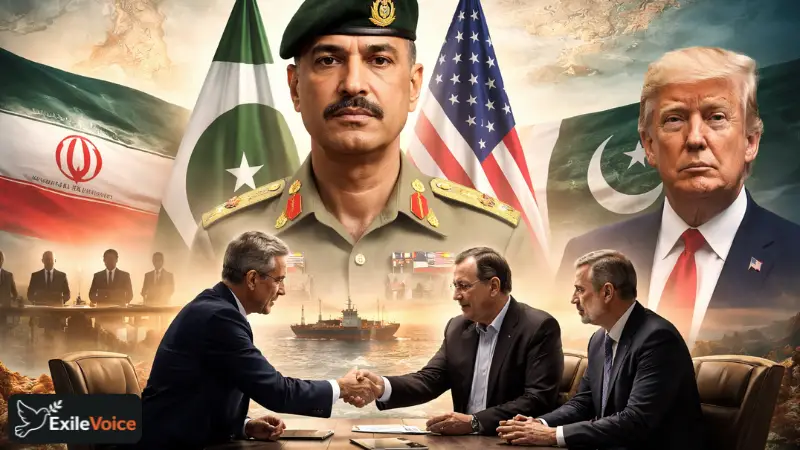
The geopolitical landscape of the Middle East is witnessing a historic shift as Pakistan emerges as a central mediator between the United States and Iran. Recent diplomatic movements indicate that General Asim Munir’s visit to Tehran is not merely a bilateral engagement but a mission of global significance. Acting as a de facto representative for U.S. interests under the Trump administration's strategic framework, Pakistan is facilitating the final stages of a comprehensive deal aimed at de-escalating regional tensions.
Reliable reports from Tehran suggest that the framework for an agreement is largely finalized. The current diplomatic push seeks to resolve the remaining technicalities that previously caused the U.S. to backtrack during earlier negotiations. Iranian Foreign Minister Abbas Araghchi had previously indicated that the parties were "inches away" from a breakthrough before new demands stalled the process. Now, with Pakistan’s leadership bridging the gap, there is renewed optimism that a formal signing is imminent.
A particularly striking development is the potential for President Donald Trump to visit Pakistan to personally oversee or reward the finalization of this deal. This "reward diplomacy" is a hallmark of the Trump era, where loyalist intermediaries are recognized for delivering high-stakes outcomes. By resolving the conflict and securing a deal that arguably surpasses the scope of the 2015 JCPOA, Trump aims to bolster his international standing and silence domestic critics regarding his foreign policy efficacy.
The stakes are exceptionally high for the global economy. The potential reopening of the Strait of Hormuz, which has faced threats of blockade, is critical for stabilizing oil markets. Pakistan’s role in this mediation underscores its strategic importance to the U.S. as a stabilizer in a volatile region. If successful, this mediation could mark the most significant achievement of Pakistani diplomacy in decades, positioning the country as a key architect of Middle Eastern peace.