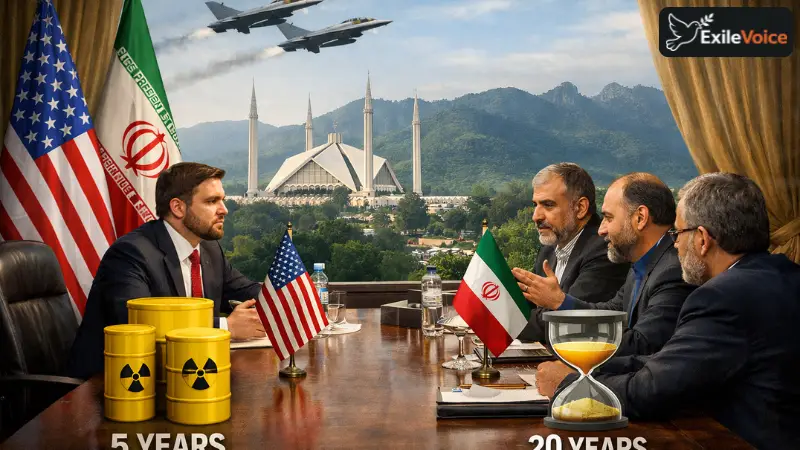
The diplomatic corridors of Islamabad are buzzing with activity as reports confirm a potential second round of high-stakes negotiations between the United States and Iran. Following the initial 21-hour marathon of "Military Diplomacy," new details have emerged regarding the substantive offers made by Tehran. Central to this dialogue is Iran’s public disclosure of a specific nuclear compromise: a proposed five-year suspension of all uranium enrichment activities. This offer, aimed at de-escalating the current regional conflict, represents a significant tactical shift by the Iranian leadership.
However, the "goalposts" remain a point of intense friction. The United States, represented by Vice President J.D. Vance during the previous round at the Serena Hotel, has reportedly demanded a twenty-year enrichment moratorium. The gap between a 5-year and a 20-year commitment is more than just numerical; it reflects a fundamental disagreement over the "breakout time" and the long-term monitoring of Iran’s nuclear capabilities. While the New York Times initially reported a rejection of the 5-year offer, subsequent updates suggest that Washington is reconsidering the proposal as a means to "buy time" while a more comprehensive maritime and security framework is established.
The role of Pakistan as a mediator has been revitalized by these developments. Despite internal political challenges, the Pakistani state has successfully positioned itself as a neutral ground where regional security concerns, ranging from Afghan transit routes to the safety of diplomatic delegations, can be addressed. Iranian officials have specifically expressed a preference for Islamabad over European venues like Geneva, citing the security provided by Pakistani F-16 escorts during transit as a critical factor in their participation.
As the international community awaits "Round Two" this Thursday, the focus is shifting toward whether a middle ground, perhaps a 10 or 15-year suspension, can be reached. This potential "Na Teri Na Meri" (neither yours nor mine) compromise could provide the Trump administration with a much-needed foreign policy victory to present to a skeptical domestic audience before the mid-term elections. However, with accusations that Washington is shifting goalposts mid-stream, the durability of this diplomatic path remains fragile.