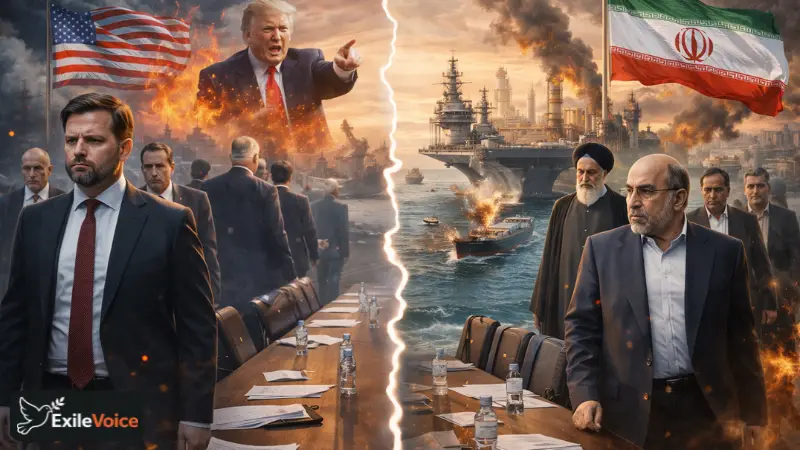
The recent high-stakes diplomatic marathon in Islamabad between the United States and Iran has concluded without a definitive breakthrough, marking a significant moment in contemporary Middle Eastern geopolitics. For over 21 hours, delegates including U.S. Vice President-elect JD Vance and senior Iranian officials engaged in what many described as the most significant direct negotiations in nearly 50 years. However, the departure of the American delegation, characterized by observers as abrupt and tense, contrasted sharply with the more organized exit of the Iranian team, signaling a profound lack of consensus.
The core of the failure appears to be a fundamental "trust deficit." Iranian negotiators, led by figures like Mohammad Bagher Ghalibaf, remained skeptical of American commitments, particularly given the historical precedent of the JCPOA withdrawal. Conversely, the U.S. side seemingly underestimated Iranian resilience, operating under the assumption that economic sanctions had weakened Tehran's bargaining position more than they actually had. This miscalculation led to a "maximalist" U.S. stance that the Iranian delegation, well-prepared and culturally accustomed to long-term strategic attrition, was unwilling to accept.
The immediate consequence of this deadlock has been a sharp escalation in rhetoric. President-elect Donald Trump has already signaled a return to "maximum pressure," threatening a total naval blockade of the Strait of Hormuz. Such a move would not only target Iranian oil exports but would effectively throttle global energy supplies, as the Strait is a critical artery for roughly one-fifth of the world’s oil consumption.
The collapse of these talks also highlights the internal pressures within both nations. While Iran operates under a centralized leadership with a high tolerance for strategic "pain," the U.S. administration must contend with a democratic electorate sensitive to inflation and rising fuel prices. As the markets prepare to react to the news of the deadlock, the possibility of a regional conflict looms larger, with both sides now shifting from the diplomatic table back to military posturing.