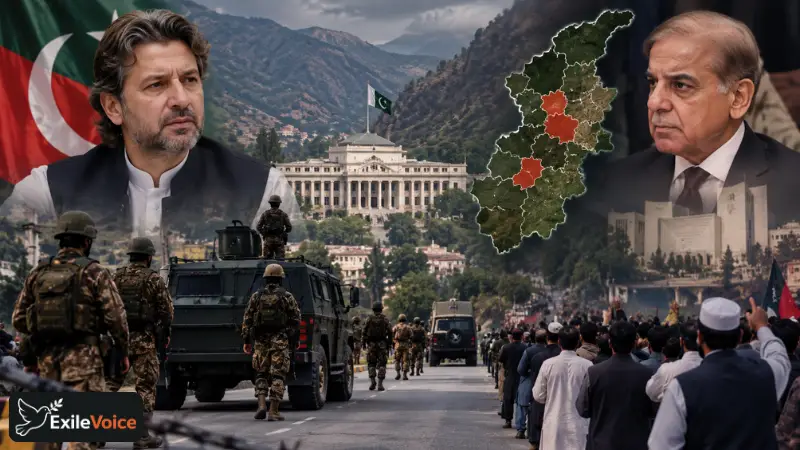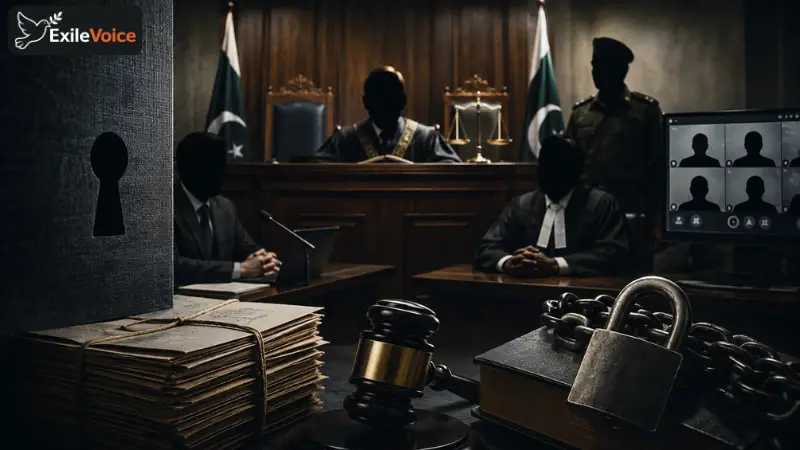
The Punjab Assembly has officially enacted the introducing sweeping and controversial changes to the provincial judicial landscape. Pushed through amid intense floor debates, opposition protests, and a full walkout by opposition lawmakers, the newly passed legislation establishes a specialized legal framework designed to handle high-security terrorism cases through confidential proceedings.The amendment formally inserts, creating a mechanism for what the government categorizes as Proponents of the bill, including Punjab Assembly Speaker Malik Muhammad Ahmad Khan, defended the legislation by emphasizing the severe security threats historically faced by judges, prosecutors, investigators, and witnesses in counter-terrorism operations. Drawing parallels to anonymous or protected court models utilized internationally to manage extreme security risks, supporters argued that extraordinary measures are vital to protect judicial officers and prevent high-profile terror suspects from evading justice. However, the structural mechanics of the new law have sparked widespread alarm among legal experts, civil society organizations, and political analysts. Key provisions of the framework include:The personal names and identities of presiding judges, public prosecutors, defense counsel, police officers, and witnesses can be withheld. Judicial orders will carry official designations instead of personal names, while witnesses will be identified solely through official codes, and voice-modification technology may be utilized during hearings.Complete case files, court records, and identifying documents are to be kept strictly sealed, raising significant questions regarding the effectiveness of future appellate scrutiny. Trials may be conducted remotely via encrypted video-conferencing links, including secure sessions hosted directly inside high-security prison facilities. The legislation introduces a "Designated Authority", an executive official of Grade BS-20 or above, empowered to classify specific cases or entire classes of cases as special security proceedings and participate in selecting prosecutors from a designated panel.
Opposition members vehemently condemned the bill as a draconian measure designed to suppress political dissent and target political rivals, particularly given the high volume of terrorism-related charges historically registered against political workers in the province. Legal analysts have pointed out that keeping judicial identities confidential and sealing trial records severely undermines the fundamental right to a fair and transparent trial guaranteed under restricting an accused party's ability to effectively challenge court jurisdiction or mount an independent defense.
As the political fallout from the assembly session unfolds, legal watchdogs are closely evaluating the implementation of the statute and its potential intersection with federal legal standards.