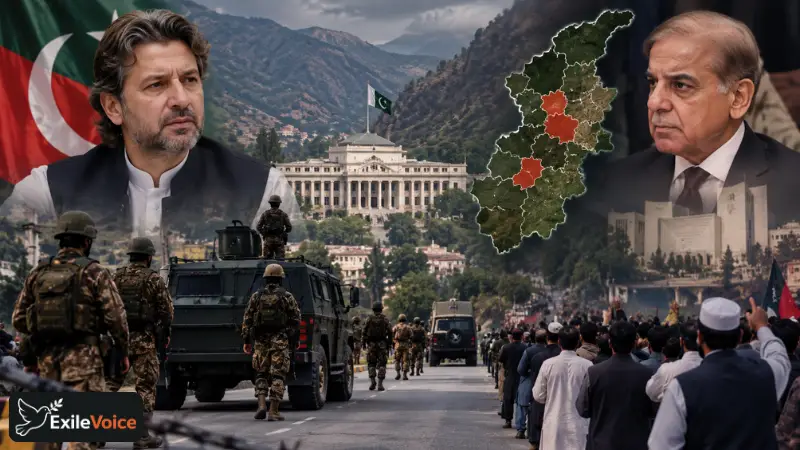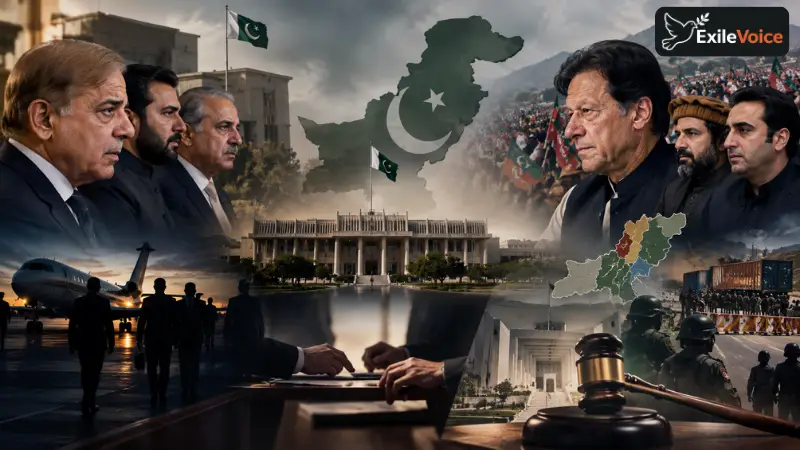
The ongoing political turbulence in Pakistan has reached a decisive juncture, characterized by high stakes maneuvering between the ruling federal coalition and opposition factions. Recent commentary and media coverage have highlighted multifaceted dimensions of this confrontation, ranging from regional emergency decrees to controversial high level travel and strategic meetings. As political forces position themselves for a decisive showdown, the stability of key administrative units remains precarious, forcing observers to reevaluate the durability of current governance structures.
Central to the national discourse are questions regarding the efficacy of institutional checks and balances. The friction between federal decision makers and provincial governance bodies illustrates the vulnerability of decentralized power structures during periods of intense political polarization. Analysts point out that when administrative machinery is utilized to manage political dissent, public trust in democratic institutions erodes rapidly. Furthermore, rumors and reports regarding secret flights, high level negotiations, and clandestine institutional meetings underscore the shadowy nature of political bargaining in contemporary Pakistan.
Navigating this intricate web of political intrigue requires a careful examination of historical precedents and current power dynamics. Whether through legislative pressure, street mobilization, or judicial intervention, every faction is seeking to secure a definitive advantage. However, prolonged instability threatens to derail economic recovery efforts and exacerbate social divisions. For Pakistan to achieve sustainable political maturity, leaders across the political spectrum must prioritize constitutional integrity, open dialogue, and respect for democratic mandates over short term tactical victories.