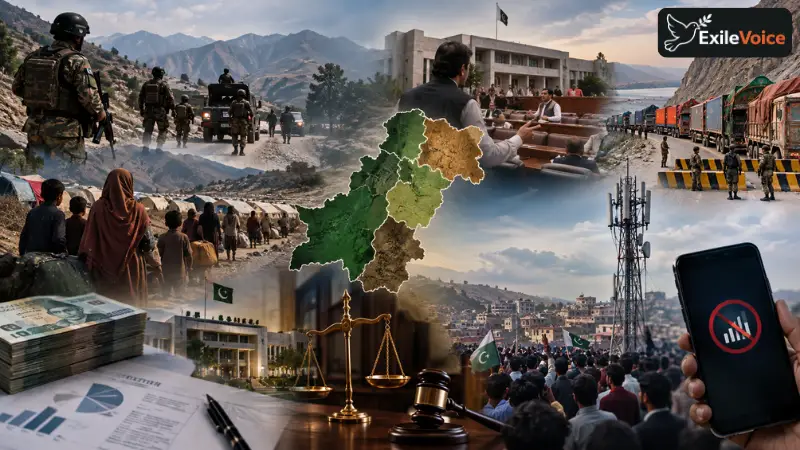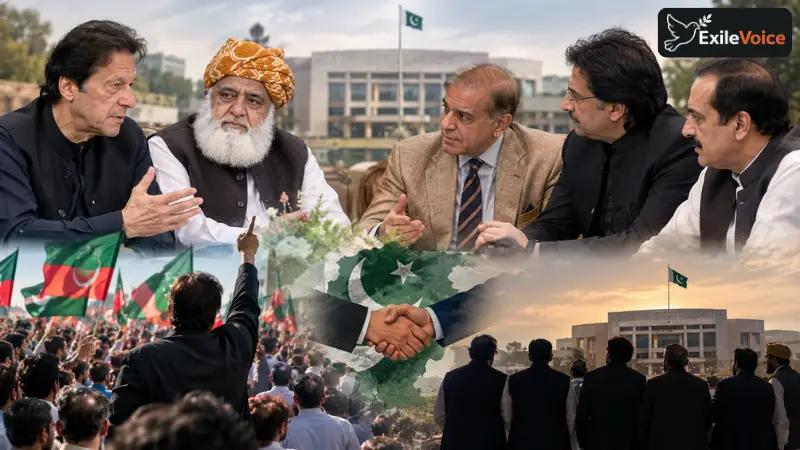
The evolving political landscape in Pakistan is increasingly defined by complex negotiations, strategic re-alignments, and tactical alliances among major political factions. As opposition groups seek to maximize political leverage against the incumbent administration, multi-party engagements and political consultations have emerged as central tools for steering national public sentiment and pressuring government institutions.
A defining feature of this political cycle is the willingness of disparate political entities to engage in dialogue, bridging ideological divides to form tactical coalitions. Recent interactions between mainstream opposition leaders and influential political figures, including leaders of religious-political parties like Jamiat Ulema-e-Islam (JUI-F), demonstrate a pragmatic approach toward political leverage. These consultations aim to unify fragmented opposition voices under a shared mandate focused on civil liberties, constitutional governance, and electoral integrity.
Strategic political dialogue serves multiple administrative and operational functions for opposition factions. First, engaging established socio-political networks expands the geographical reach of protest movements beyond traditional party strongholds. By coordinating with figures who possess significant influence over public sentiment across key regions, opposition strategists enhance their capacity to organize synchronized rallies and pressure central authorities simultaneously on multiple fronts.
Second, third-party political engagements provide essential diplomatic channels amid intense governmental crackdowns. When direct negotiations between the main opposition party and ruling authorities break down, intermediate political actors often facilitate informal talks, establish ground rules, or prevent civil unrest from escalating beyond manageable thresholds. These interactions highlight the subtle, behind-the-scenes political maneuvering that dictates the pacing and direction of national protest campaigns.
However, building and maintaining multi-party coalitions presents inherent operational challenges. Broad alliances often contain competing policy priorities, ideological differences, and divergent long-term strategic goals. While parties may unite temporarily on shared grievances, sustaining unified action requires ongoing diplomatic negotiation and delicate power-sharing agreements. The ability of opposition strategists to navigate these internal dynamics determines whether protest initiatives translate into concrete legislative or constitutional adjustments.
As political movements prepare for potential long-term deadlocks with central governance structures, the focus remains on maintaining organizational discipline and clear communication channels. The interaction between street-level public mobilization and high-level political diplomacy will play a decisive role in shaping the nation's broader democratic trajectory, economic stability, and institutional balance in the coming months.