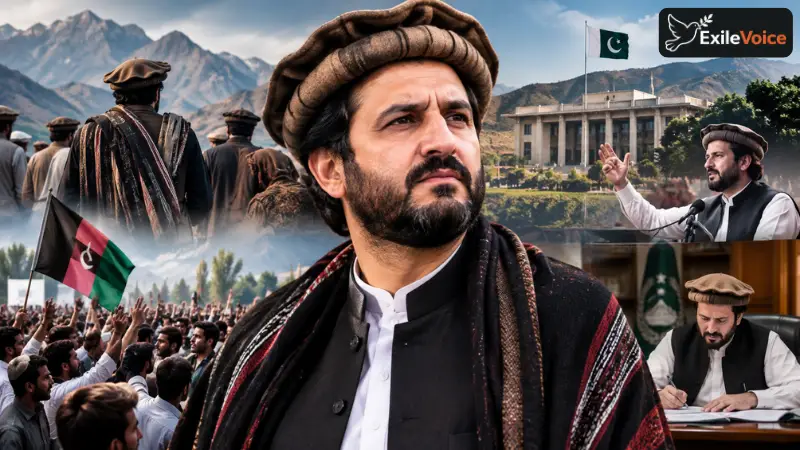
The political landscape of Khyber Pakhtunkhwa has experienced a profound shift with the emergence of Sohail Afridi as a prominent chief minister. Breaking away from decades of traditional political machinery, Afridi represents a new wave of leadership originating directly from the tribal districts. Analysts note that his unique background, shaped by the historical displacement of communities in 2008, heavily influences his political discourse. Rather than relying on standard rhetorical frameworks, Afridi connects his personal and regional history directly with the struggles of ordinary citizens. This approach has garnered international attention, positioning him as a central figure in contemporary Pakistani politics and highlighting the growing influence of tribal leaders on the national stage.
The strategy employed by Afridi combines grassroots mobilization with direct confrontation against entrenched political structures. By framing regional grievances around cultural dignity and historical sacrifices, he has successfully redefined the narrative surrounding Pashtun representation. Observers point out that his ability to alternate between administrative duties and street-level activism creates a dynamic political presence that resonates strongly with the youth. As political tensions mount between provincial leadership and federal authorities, Afridi's trajectory illustrates a fundamental transformation in how regional power is articulated and defended in Pakistan.