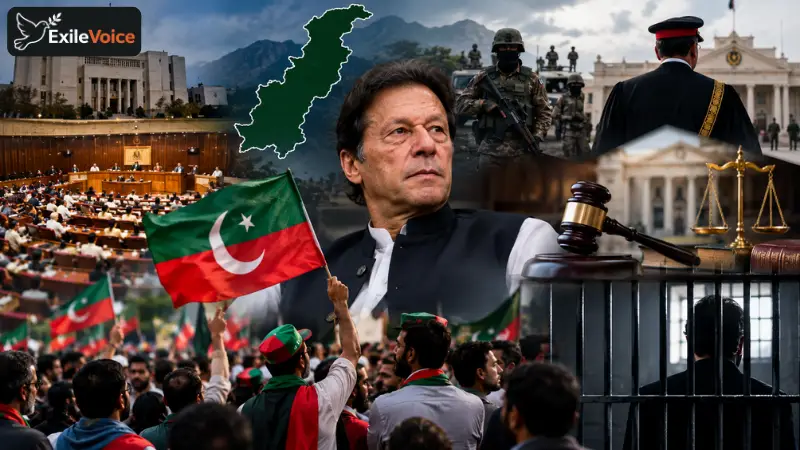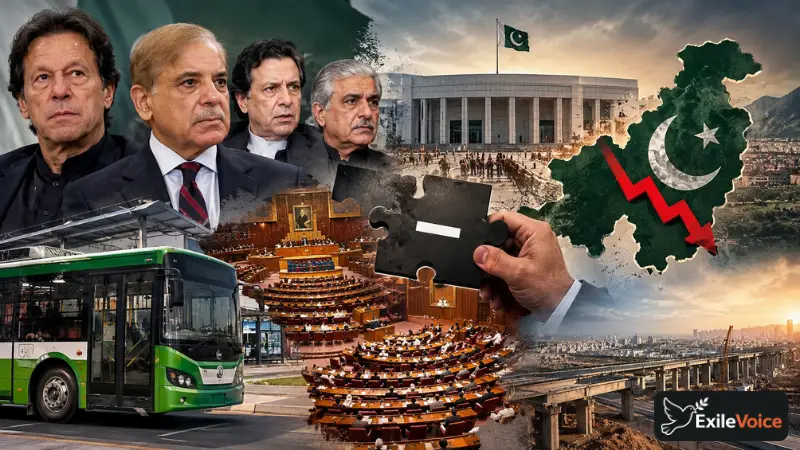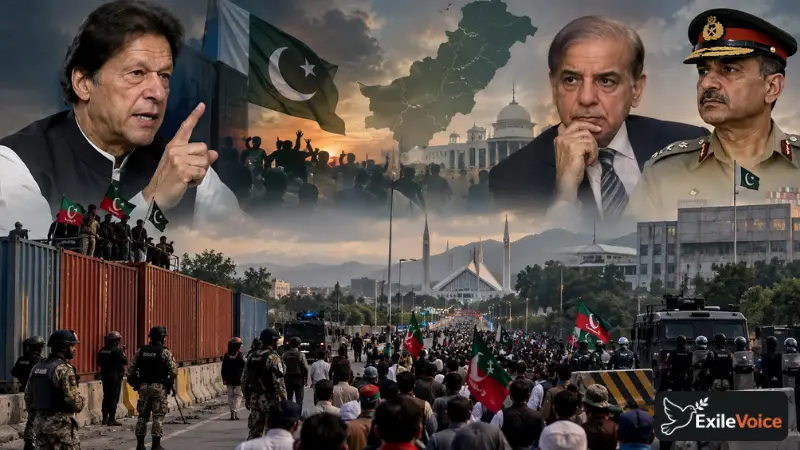
The political landscape of Pakistan continues to experience intense volatility, marked by high stakes showdowns between opposition movements and the federal establishment. Recent commentary from political analysts and figures such as Dr Shahbaz Gill has brought to light the intricate and tense dynamics surrounding planned long marches, provincial governance challenges, and declarations of emergency.
At the core of the ongoing friction is the strategic mobilization of political workers toward major administrative centers, particularly Islamabad. Proponents of the movement argue that peaceful assembly and demonstrations represent fundamental democratic rights, while government authorities cite security imperatives and public order concerns. This clash of priorities has frequently resulted in preemptive administrative actions, container blockades, and heightened deployments of law enforcement personnel across key transit routes.
Observers have noted that the deployment of emergency measures in specific regions adds a complex layer to the federal structure of Pakistan. Critics of the ruling administration argue that such measures are utilized to curtail political dissent and stifle grassroots mobilization. Conversely, government defenders maintain that extraordinary circumstances warrant stringent administrative controls to prevent civil disruption and maintain economic stability.
Furthermore, internal party dynamics and leadership strategies remain heavily scrutinized. Discussions regarding decision making processes within opposition ranks highlight the challenges of maintaining unified pressure against a powerful establishment. Questions concerning tactical miscalculations, internal communication gaps, and the influence of external political variables continue to shape public discourse. As political actors maneuver for leverage, the path forward remains fraught with institutional friction, constitutional debates, and deep societal polarization.