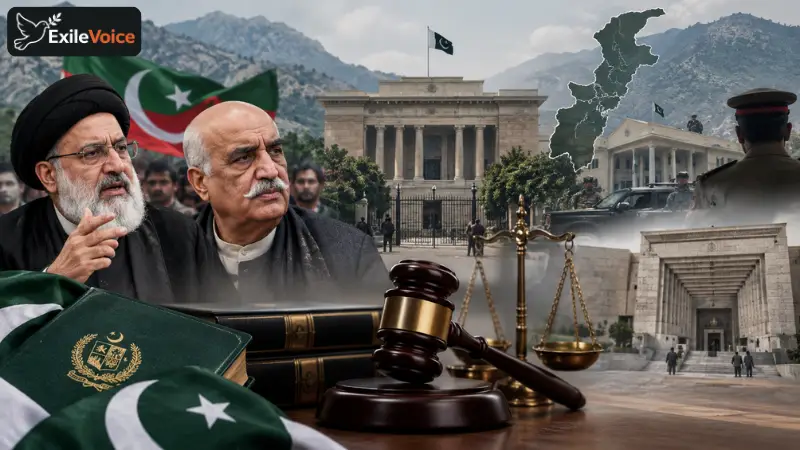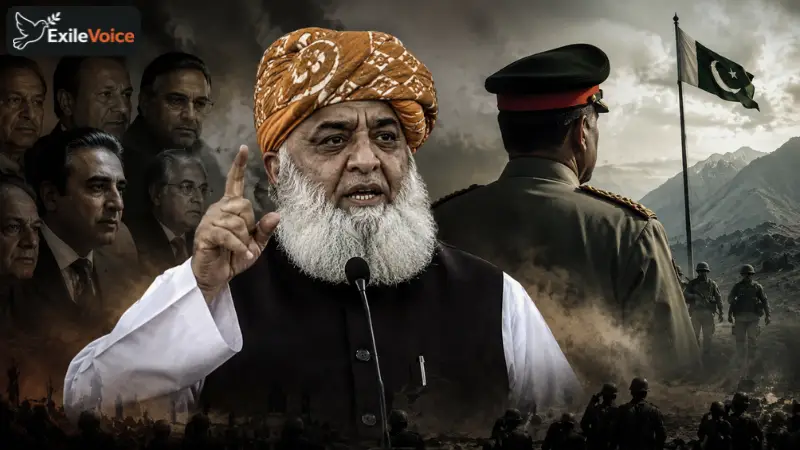
The political landscape of Pakistan is currently witnessing a significant shift as Maulana Fazlur Rehman, a veteran politician known for his strategic maneuvering, adopts a highly confrontational stance against the establishment and, specifically, the current military leadership under General Asim Munir. This pivot has triggered extensive debate across political and media circles, questioning the underlying motives and the potential long-term impact on the country's stability.
In recent statements, Fazlur Rehman has openly challenged the military’s role in politics and its management of national security. Notably, he questioned the narrative surrounding the sacrifices made by the armed forces, effectively decoupling these sacrifices from the professional duties for which they are compensated. This marked a departure from conventional political discourse in Pakistan, where the military's role is rarely subjected to such direct public scrutiny.
The Maulana’s rhetoric has intensified, moving beyond general critiques to accusations of systemic failures. He has alleged that the military’s current counter-terrorism strategies have not only failed to diminish the threat of terrorism but have exacerbated it, particularly in the Khyber Pakhtunkhwa and Balochistan regions. His bold assertion that the state is currently “absent” in these areas and that civilians are at the mercy of non-state actors represents a severe indictment of the current security paradigm.
Analysts are debating several scenarios to explain this sudden shift. Some suggest that Rehman is expressing dissatisfaction over not receiving his anticipated share of political influence. However, others view this as a more complex strategy, potentially acting as a proxy for other political entities, such as the PML-N or PPP, to challenge the military leadership, thereby shielding these parties from direct confrontation. Another perspective considers the possibility of external influence, where foreign powers, dissatisfied with current security or foreign policy outcomes, may be encouraging internal friction to compel a change in direction.
Whatever the primary driver, this development signals a fragile period for Pakistan’s political order. As Fazlur Rehman continues to challenge the status quo, the potential for increased polarization and political instability remains high, raising questions about how the current administration will navigate these mounting pressures.