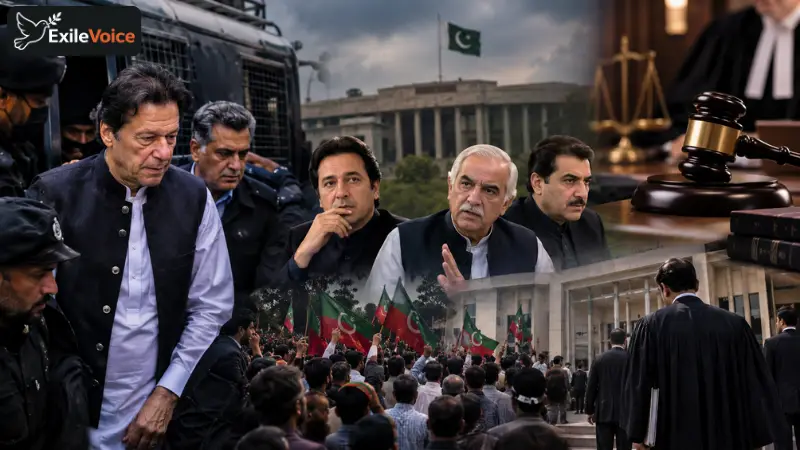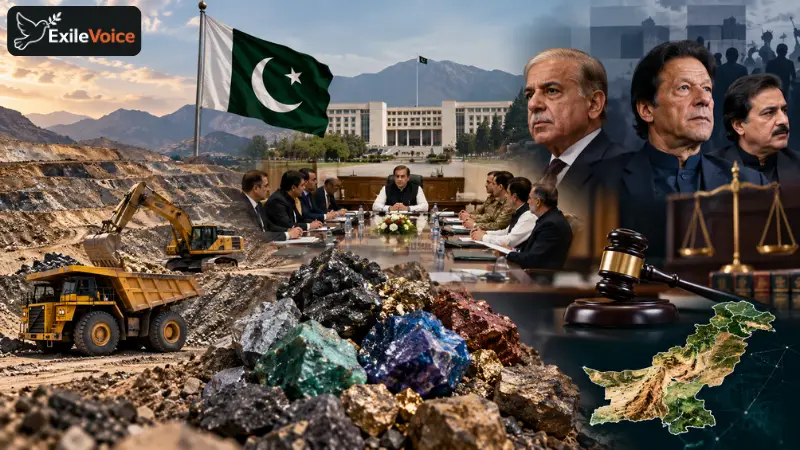
Pakistan is currently navigating one of the most treacherous geopolitical landscapes in its history. The civilian and military leadership, led by Prime Minister Shehbaz Sharif, Chief of Army Staff General Asim Munir, and Foreign Minister Ishaq Dar, have spent months investing significant political and social capital in mediating the escalating conflict in the Middle East. While this intensive diplomatic maneuvering has elevated the personal brands and domestic power of Pakistan’s ruling elite, the broader economic and institutional benefits for the country remain deeply uncertain. Domestically, the single-minded focus on foreign policy has come at a severe cost, leaving pressing internal issues largely unattended. The political and judicial processes remain stalled, crackdowns on fundamental human rights and the press are intensifying, and the national economy continues to teeter on the brink of collapse.
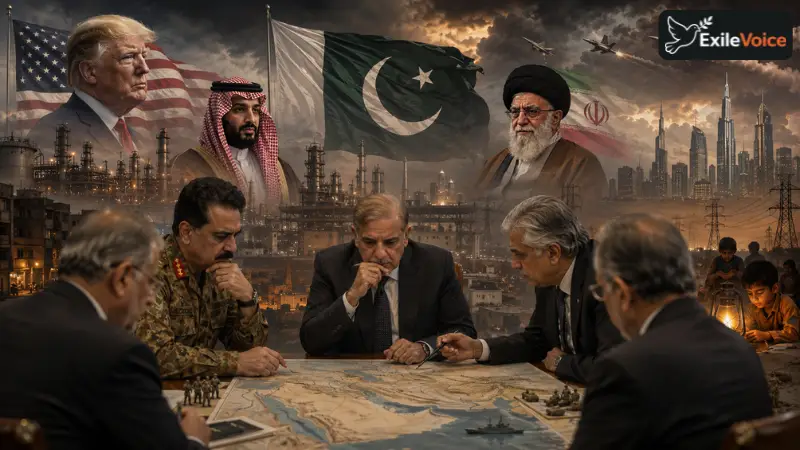
The strategic calculus driving Islamabad’s hyperactive diplomacy is rooted in sheer survival. Pakistan is facing a catastrophic energy crisis. Natural gas reserves are depleted to the extent that even affluent residential zones like the Defense Housing Authority (DHA) in Lahore are experiencing complete outages. The critical gas supply that historically flowed from Balochistan has effectively dried up, forcing the state to rely heavily on expensive foreign energy imports. Traditionally, these imports traveled through routes connected to the Middle East and Iran, but the current regional warfare has disrupted these vital supply lines. Pakistan’s involvement in mediating between regional powers is not merely an act of goodwill or an expression of solidarity with its neighbors. Instead, the state is hunting for massive financial and energy concessions promised by the United States, Saudi Arabia, and other global players. Islamabad understands that if it fails to deliver on its diplomatic promises, these critical economic lifelines and international bailouts will be permanently revoked.
The stakes have escalated dramatically as the temporary lull in the Middle East conflict shatters, threatening to invalidate months of Pakistani diplomatic investment. In a clear sign of growing panic, Foreign Minister Ishaq Dar executed an unannounced, emergency trip to Washington, D.C., following high-level meetings at the United Nations in New York. The sudden visit was officially characterized as a bilateral engagement to discuss regional security, but insiders confirm it was a frantic effort to salvage Pakistan’s positioning amid a major shift in American foreign policy. During a recent cabinet meeting, the United States administration signaled a definitive end to the brief period of regional peace, effectively declaring a renewed geopolitical offensive. The U.S. military recently intercepted multiple Iranian drones over the Strait of Hormuz and launched targeted ground-based operations, which triggered a swift retaliatory ballistic missile strike from Iran directed at objectives in Kuwait.
This rapidly expanding cycle of violence places Pakistan in an incredibly precarious position. Islamabad has tried to maintain a delicate balancing act by providing military assistance and personnel to Saudi Arabia while simultaneously maintaining open diplomatic channels with Tehran through frequent state visits. However, Washington is aggressively shifting its strategy, placing intense pressure on regional actors to fall in line with its framework. The American administration is actively reviving the Abraham Accords, demanding that non-signatory Muslim nations, including Pakistan, Saudi Arabia, and Qatar, formally normalize diplomatic and trade relations with Israel. For Pakistan, a country with deeply entrenched domestic opposition to such alignment and strong historical ties to Iran, acceding to these demands is politically impossible, yet defying Washington risks total economic isolation. With rolling blackouts projected to devastate the country during the peak summer heat and Wall Street analysts warning that the collapsing energy grid could take months to recover from an impending heatwave, Pakistan’s leadership is running out of time. The country must move fast to secure an energy or financial breakthrough from Western allies or Gulf partners before internal collapse renders its high-stakes foreign diplomacy entirely irrelevant.