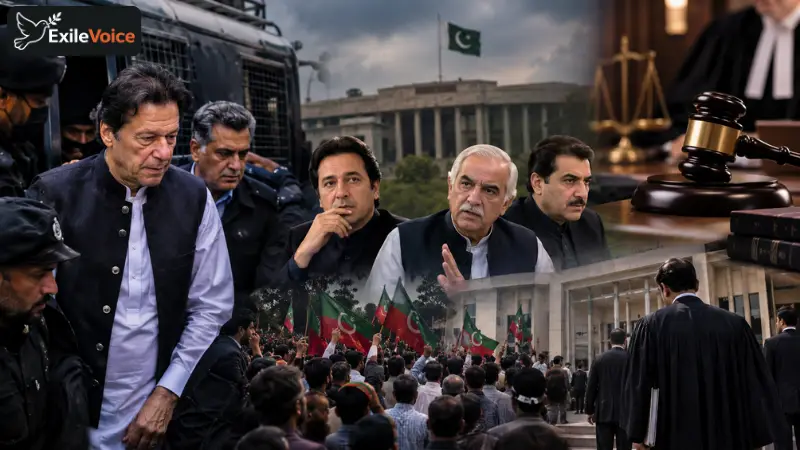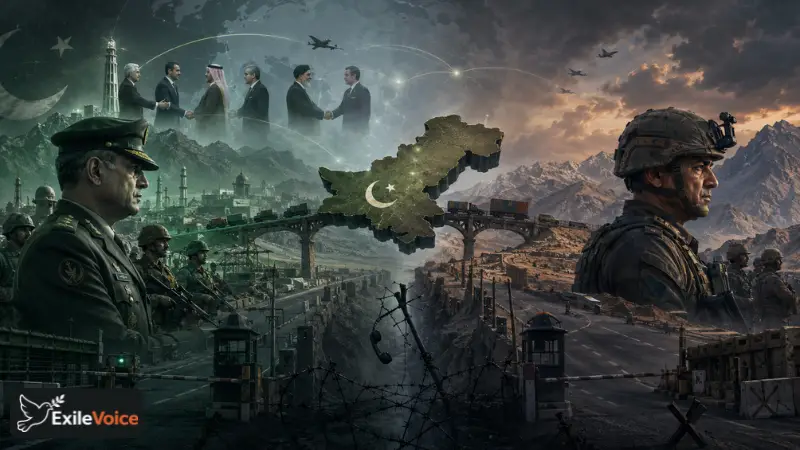
One year after the intense military engagement known as Operation Sindoor, the South Asian geopolitical landscape has undergone a profound transformation. While the physical cannons may have fallen silent, the conflict has shifted into a multifaceted cold war characterized by diplomatic paralysis, economic decoupling, and a complete breakdown of cross-border communication. The traditional metrics of state relations, trade, diplomacy, and cultural exchange, have effectively reached a point of total stagnation between Islamabad and New Delhi.
A critical takeaway from the past twelve months is the hardening of the Indian establishment. Driven by Hindutva politics, the Indian political, military, and intellectual elite have undergone a structural shift that makes a return to "normalized" relations unlikely in the near future. Conversely, Pakistan’s foreign policy toward its eastern neighbor continues to be dictated by its military leadership. The video notes that Pakistan’s stance often shifts with the temperament of its Army Chief, ranging from the "enlightened moderation" of the Musharraf era to the more rigid, star-studded approach of the current command.
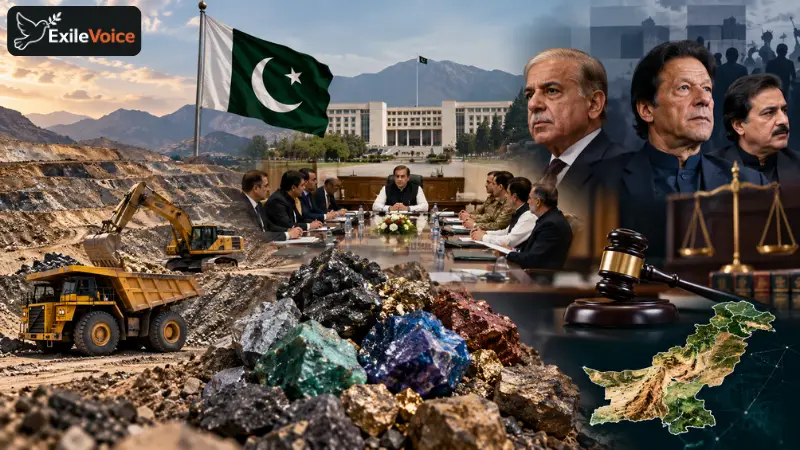
Despite internal turmoil, Pakistan has surprisingly re-emerged as a vital "middleman state" on the global stage. Once labeled a "global migraine" by Western diplomats, Islamabad has leveraged its unique position to act as a mediator between Washington and Tehran. This "Favorite Field Marshal" status is reinforced by Pakistan's role in behind-the-scenes shuttle diplomacy, managing complex relationships with Iran, Saudi Arabia, and Turkey. This strategic utility has temporarily thwarted Indian efforts to internationally isolate Pakistan as a state sponsor of terrorism.
However, this utility is viewed as transient. While the Biden administration and various international actors find Pakistan useful for immediate tactical goals, the long-term strategic partnership of the United States remains legally and constitutionally anchored to India. For Pakistan, the challenge remains: how to translate temporary geopolitical usefulness into long-term stability without being perpetually dependent on the next regional crisis.