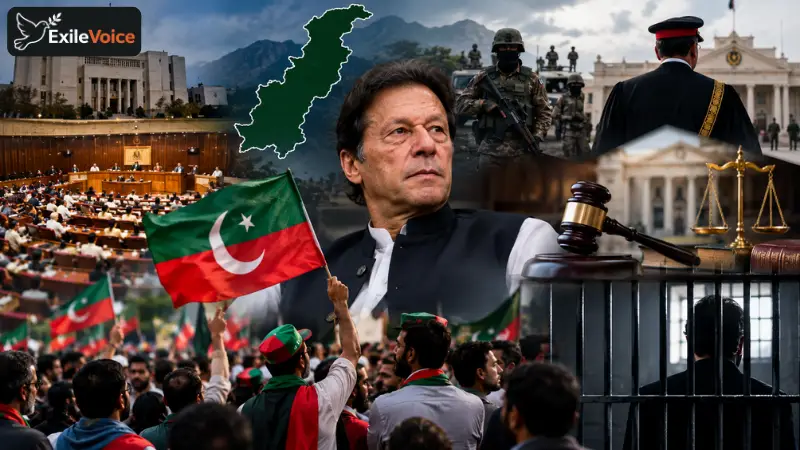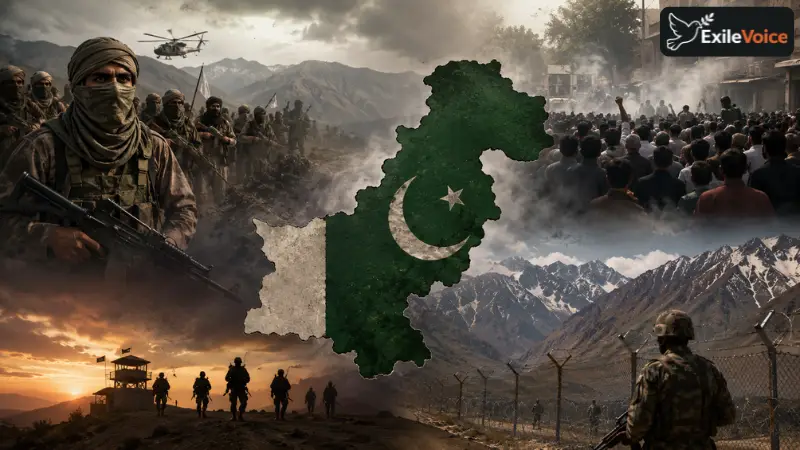
The current security situation in Pakistan is defined by the convergence of three critical and historically challenging fronts: the threat posed by the Tehreek-e-Taliban Pakistan (TTP), the persistent insurgency in Balochistan, and the escalating tensions in Kashmir. These issues, which have historically operated on separate timelines, have now aligned to create a uniquely fragile environment for the state.
The TTP has evolved into a formidable security threat, with recent assessments ranking it among the most lethal insurgent groups globally in terms of capacity and operational reach. This resurgence directly correlates with the evolving dynamics in Afghanistan, further complicating Pakistan's security calculations. Simultaneously, Balochistan is experiencing what is now recognized as South Asia's longest-running insurgency. Over the past two decades, the security landscape in the region has intensified, evolving from sporadic conflicts into a sophisticated and resilient armed movement.
Adding to these pressures is the situation in Azad Kashmir. Traditionally considered one of the more stable and peaceful regions in Pakistan, recent unrest has signaled a major shift. The involvement of local leadership in civil protests has prompted a harsh response from authorities, leading to allegations of heavy-handed tactics reminiscent of those used in other conflict zones. When disparate security challenges, such as the Baloch insurgency, unrest in Azad Kashmir, and militant attacks in border regions, converge simultaneously, the cumulative effect puts immense strain on national security infrastructure and stability.
The complexity is further exacerbated by the breakdown in institutional relations. The reliance on past policies of "strategic depth" has proven ineffective as regional actors, including the Taliban administration in Afghanistan, pursue greater autonomy, seeking investment and engagement from multiple international stakeholders regardless of Pakistan's geopolitical preferences. Ultimately, the interconnected nature of these crises suggests that addressing them requires moving beyond traditional military-centric approaches toward a comprehensive re-evaluation of long-standing regional policies.