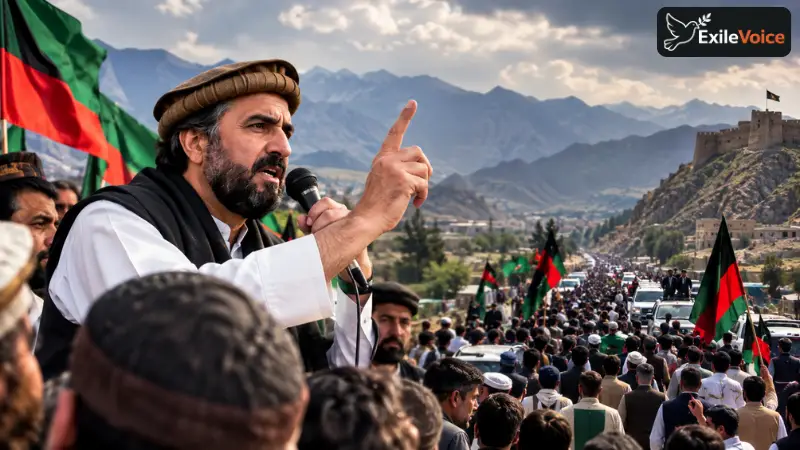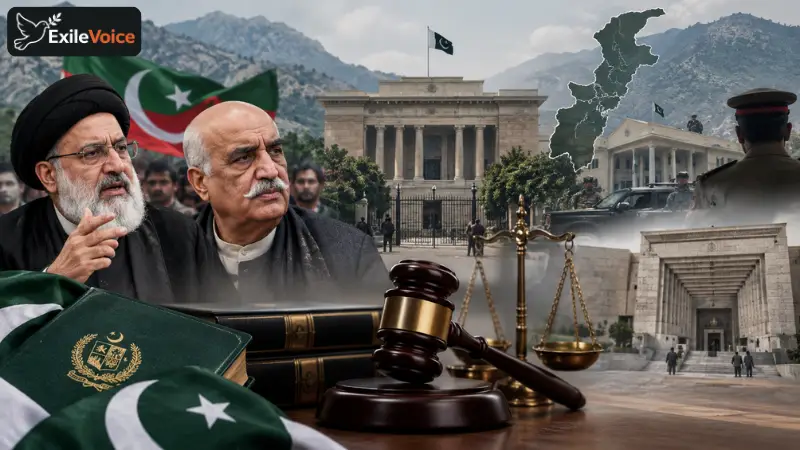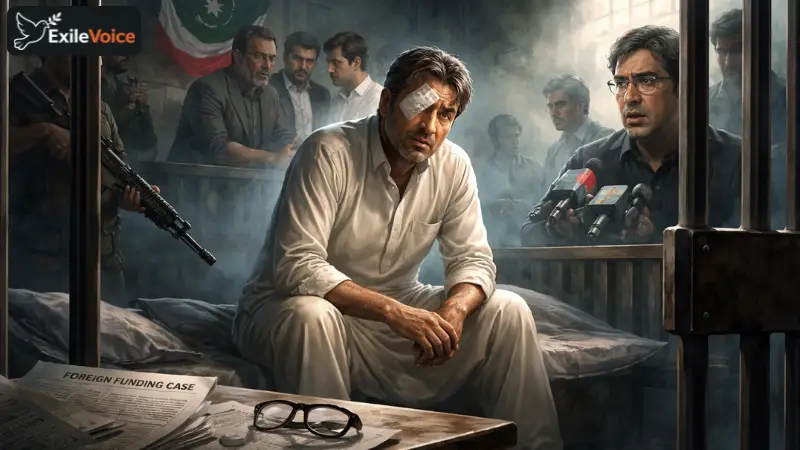
The political atmosphere in Pakistan has reached a fever pitch as reports emerge regarding the deteriorating physical health of former Prime Minister Imran Khan. Currently incarcerated in Adiala Jail, Khan’s medical condition has become a focal point of national concern. Legal representatives have recently disclosed a startling development: Khan has reportedly lost significant vision in one eye. This revelation underscores a growing human rights concern, as his legal team and family allege that he is being denied access to his personal physicians, a standard right for high-profile detainees under international and domestic law.
The situation is further complicated by what observers describe as "political betrayal" from within his own ranks. Dr. Shahbaz Gill highlights a disturbing trend where certain segments of the Pakistan Tehreek-e-Insaf (PTI) leadership may find the current status quo, Khan’s incarceration, convenient for their own upward mobility. This internal friction suggests that while the grassroots workers remain steadfast, a layer of the leadership is navigating a complex web of "facilitation" with the current regime. The "convenience" of Khan’s absence allows for the consolidation of positions that would otherwise be contested if he were free.
Furthermore, the government’s strategy appears to be one of "legal exhaustion." Rather than seeking a political resolution, the current administration is introducing new legal challenges, such as the revitalized Foreign Funding case. This approach is viewed by many as a tactic to prolong Khan’s detention indefinitely, effectively neutralizing him as a political force during a period of significant regional and domestic upheaval. The refusal to provide medical relief, even under the guise of "national interest" negotiations, points toward a hardening of positions within the military-backed administration.