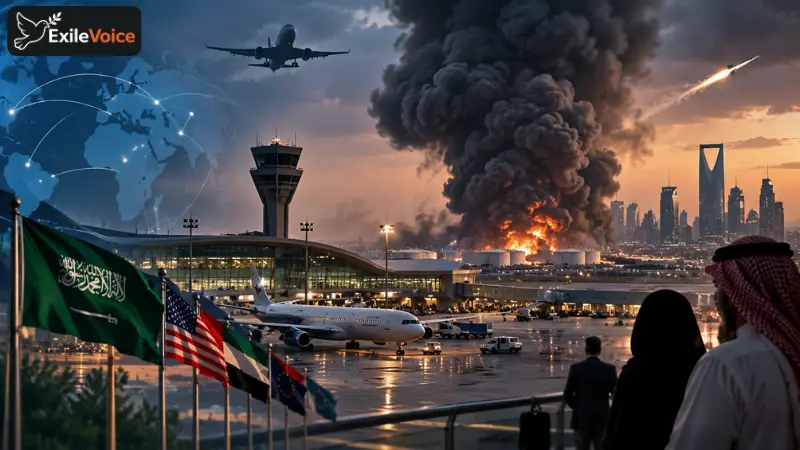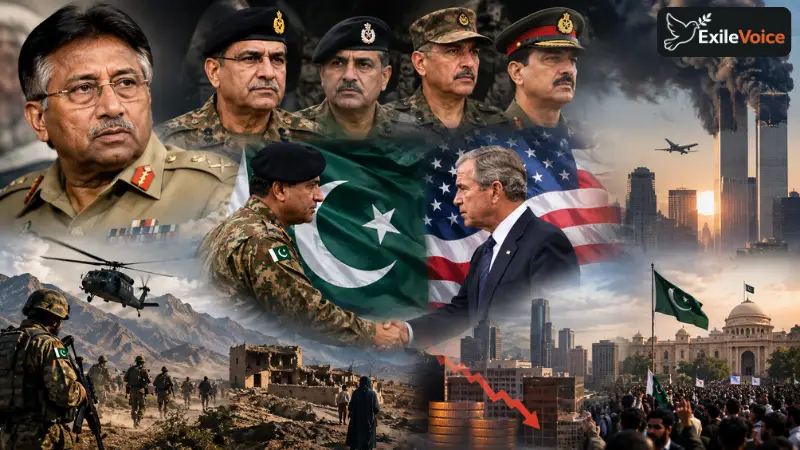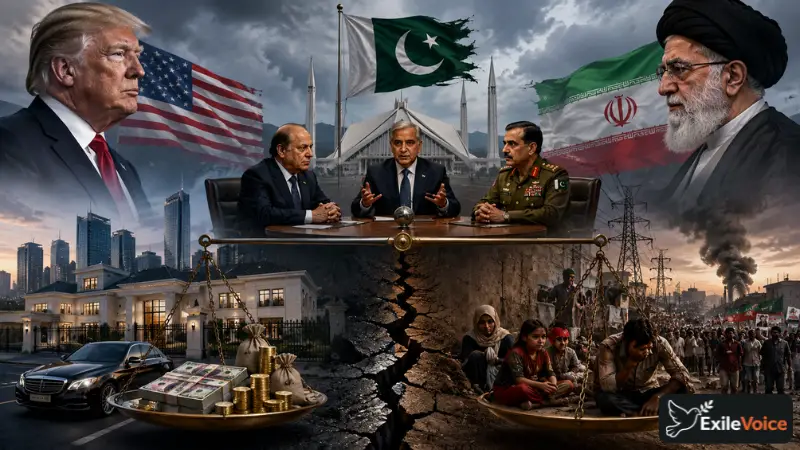
Pakistan has recently found itself at the center of the global stage, acting as a critical platform for U.S.–Iran mediation. This role has shocked regional rivals like India and received support from the United Kingdom and other Western powers. However, professional analysis suggests that this newfound international importance masks a severe domestic crisis. While the Sharif-Zardari-Asim regime benefits from diplomatic recognition, the Pakistani people face a devastating economic collapse and a sharp retreat from democratic values.
The economic situation in Pakistan has entered a dangerous new phase. The government has openly admitted to having no options left but to impose aggressive petroleum levies, electricity taxes, and indirect taxation to meet IMF pressures. With petrol potentially reaching Rs 500 per liter, the "elite capture" of the state is becoming increasingly evident, leading to a total failure of economic governance. Journalists and dissenters are facing heightened risks, as seen in the targeting of figures who attempt to communicate the reality of the country's situation to the international media.
Ultimately, Pakistan’s role as a mediator appears to be more of a facilitator for American diplomatic needs rather than an independent peace broker. The state’s financial dependence on U.S.-aligned institutions forces it into a position where it provides Trump with the necessary cover to de-escalate or pivot his Iran policy whenever politically convenient. This mediation "victory" is a political disaster for the Pakistani public, who are being forced to bear the cost of regional power plays through extreme inflation and the erosion of media and political freedoms.