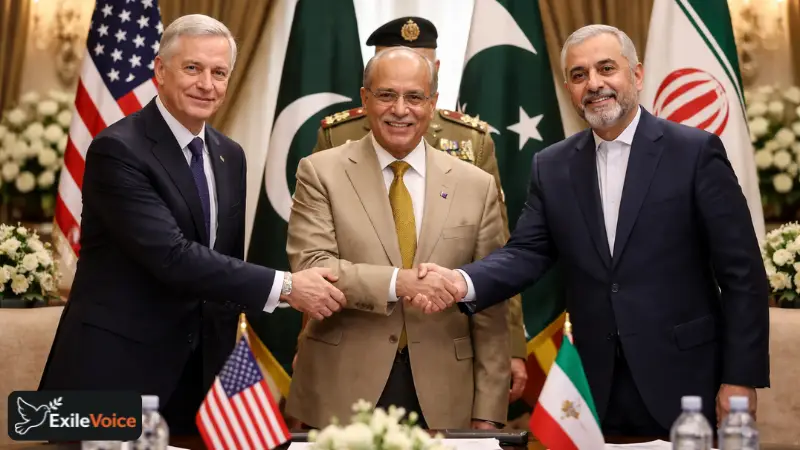
The geopolitical chessboard has witnessed one of its most surprising maneuvers in recent history. As the Middle East teetered on the brink of an all-out regional conflagration, an unexpected mediator stepped into the spotlight: Pakistan. While international observers often focus on the domestic challenges facing Islamabad, the recent brokering of a temporary ceasefire between the United States and Iran has catapulted Pakistan back into the center of global strategic relevance.
The deal, which effectively halts hostilities for a two-week period, was not merely a result of back-channel messages but involved a sophisticated diplomatic proposal led by Prime Minister Shehbaz Sharif and supported by the military leadership, including General Asim Munir. This "15-point proposal" became the bedrock of the negotiations. While Iran ultimately agreed to ten of these points, the resulting pause in kinetic action has provided the world with a much-needed sigh of relief. The significance of this achievement cannot be overstated; Pakistan successfully leveraged its unique position as a nation with historical ties to the West and a shared border and religious affinity with Iran to bridge a gap that traditional superpowers could not.
The immediate global reaction to this diplomatic breakthrough was palpable. In the United States, the S&P 500 index saw a notable surge, signaling that markets were pricing in a reduction of regional risk and the potential stabilization of energy prices. For the first time in years, Pakistan is making headlines globally for "saving the day" rather than for internal instability. This shift in narrative is critical for a country seeking to rebuild its international reputation and attract foreign investment. By acting as a stabilizing force in the Middle East, Pakistan has demonstrated that it remains an indispensable player in the Islamic world and a key partner for Washington when high-stakes mediation is required.
However, the analysis of "who won" remains complex. While Donald Trump has claimed victory by asserting that his pressure tactics brought Tehran to the table, and Iran claims victory for standing its ground while securing a halt to attacks, it is Pakistan that emerges with the most significant moral and diplomatic gain. Islamabad has proven that its institutional depth and military-diplomatic synergy can produce results that avert global catastrophe. The challenge now lies in whether this temporary truce can be converted into a long-term framework for peace, a task that will require Islamabad to remain engaged even as internal political pressures continue to mount.