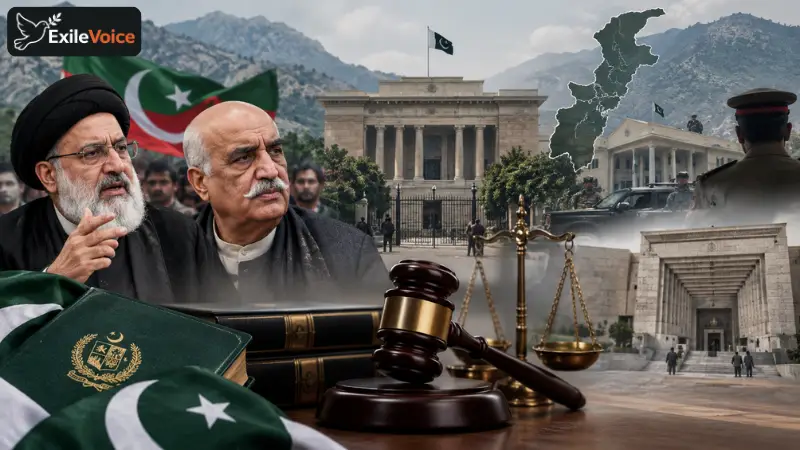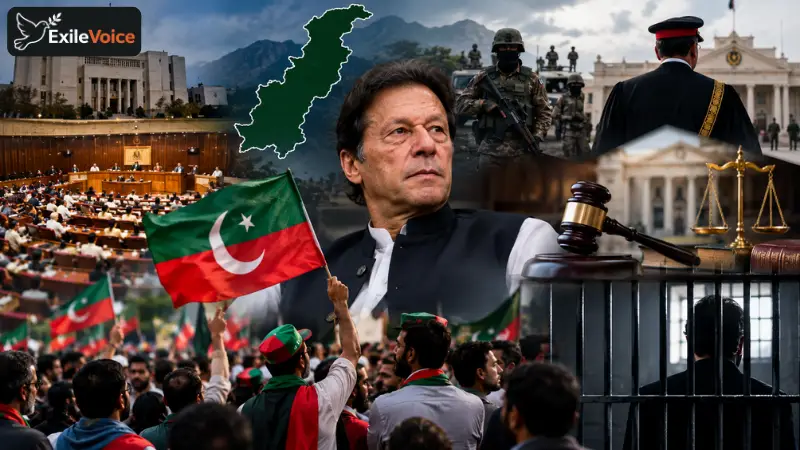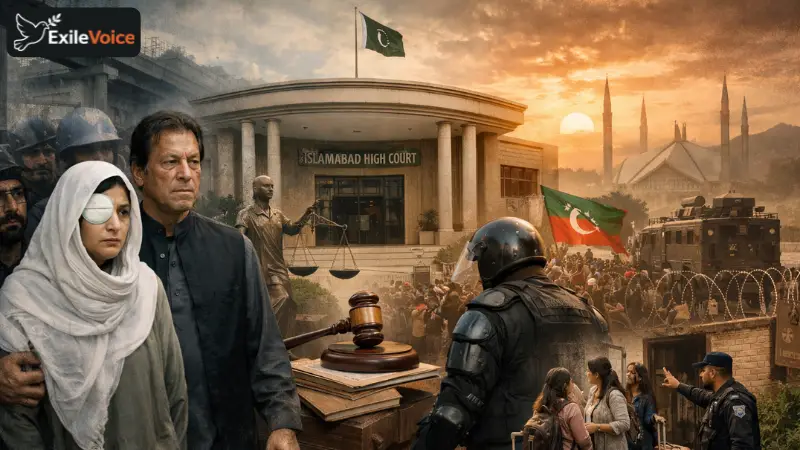
The political climate in Pakistan remains defined by a persistent "day-to-day" policy of management rather than long-term stability. Recent events surrounding the legal battles of PTI leadership and the sudden enforcement of security measures in the capital region highlight a deep-seated friction between the state apparatus and political movements. The legal saga of Bushra Bibi and Imran Khan continues to dominate the headlines, with the Islamabad High Court (IHC) becoming the primary theater for this struggle.
A significant point of contention is the perceived "strategy of delay" employed by the legal and administrative systems. Observers note that whenever a major political rally or public movement is announced, there is a sudden flurry of judicial activity or media reports suggesting imminent relief for imprisoned leaders. However, once the immediate threat of a public gathering passes, the status quo often returns. This "Z-point" or "Point of No Return" in the justice system reflects a lack of consistent legal application, where political outcomes often dictate judicial timelines.
The health of Bushra Bibi has added a humanitarian dimension to the legal proceedings. Following a surgery for an eye ailment performed without the presence of her family, her legal team, led by Salman Safder, has moved a new petition in the IHC. The petition argues for the suspension of her sentence based on health grounds and the fact that a seven-year sentence for a woman typically allows for more lenient bail conditions during the appeal process. The request emphasizes that the prison environment is unsuitable for post-operative care, yet the state has already shifted her back to jail.
Simultaneously, the administration has implemented unprecedented security measures in Islamabad and Rawalpindi. Citing "negotiations" and security protocols, hostels and business centers are being forcibly vacated. These measures have sparked significant public outcry, particularly among female professionals and students living in hostels who have been ordered to vacate on extremely short notice. The heavy-handedness of these "clearance operations" raises questions about the balance between state security and the fundamental rights of citizens to work and reside in the capital.
Politically, the landscape is shifting within the opposition as well. Internal fissures and the alleged infiltration of decision-making bodies by state agencies have complicated the PTI's ability to launch a decisive movement. There are reports that internal committees are often dismantled or misdirected when a public movement gains momentum. Despite these internal and external pressures, the call for public participation in upcoming rallies remains a test of the party’s grassroots strength. As the country navigates this complex web of legal challenges and administrative crackdowns, the path toward a stable democratic transition remains obscured by tactical maneuvers and institutional mistrust.