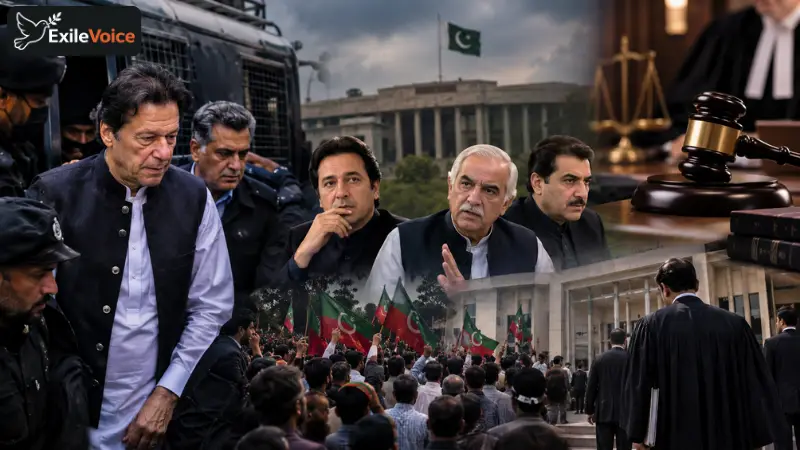
Pakistan is currently navigating a complex web of institutional friction and political maneuvering that threatens the stability of its democratic framework. Recent reports from Islamabad highlight a disturbing trend of military personnel allegedly detaining police officers directly from their stations. This development, reminiscent of previous incidents in Bahawalnagar, suggests a deepening divide between the country’s law enforcement agencies and the military establishment. Such actions, if verified, represent a significant bypass of legal protocols and raise serious questions about the rule of law under the current administration.
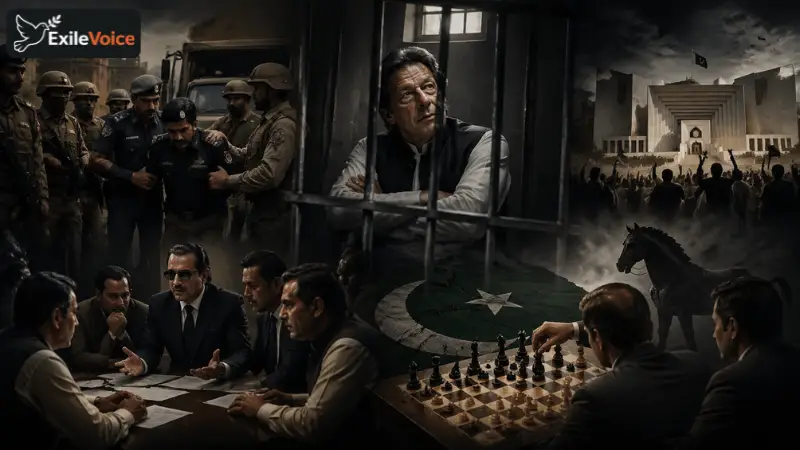
Parallel to these institutional tensions is the ongoing narrative surrounding the detention of former Prime Minister Imran Khan. Comparisons are increasingly being drawn between Khan’s treatment in prison and that of the late Egyptian President Mohamed Morsi. Reports of restricted access to legal counsel, family, and medical care have sparked international concern. Critics argue that the current government is employing "exhaustion tactics" to stifle the opposition, mirroring historical precedents where political figures were isolated to the point of health failure.
On the legislative front, the role of key figures like Salman Akram Raja is being scrutinized. Raja’s recent statements regarding his reluctance to hold the Secretary-General position, citing it as a duty assigned by Imran Khan rather than a personal ambition, point to a party in a state of operational limbo. The opposition faces the daunting task of maintaining momentum while its leadership remains incarcerated and its internal structure is under constant pressure from defections and alleged state-sponsored intimidation.
Furthermore, scandalous allegations regarding high-profile political figures, such as Sher Afzal Marwat, have added fuel to the fire. Claims that opposition members are secretly collaborating with the ruling PML-N to undermine their own party from within suggest a sophisticated "Trojan Horse" strategy. While these claims remain part of a heated political discourse, they reflect the atmosphere of mistrust and fragmentation currently defining Pakistani politics. As the month of May approaches, a period marked by both public holidays and the anniversary of significant political unrest, the government’s ability to manage these intersecting crises will be a definitive test for the nation’s future.