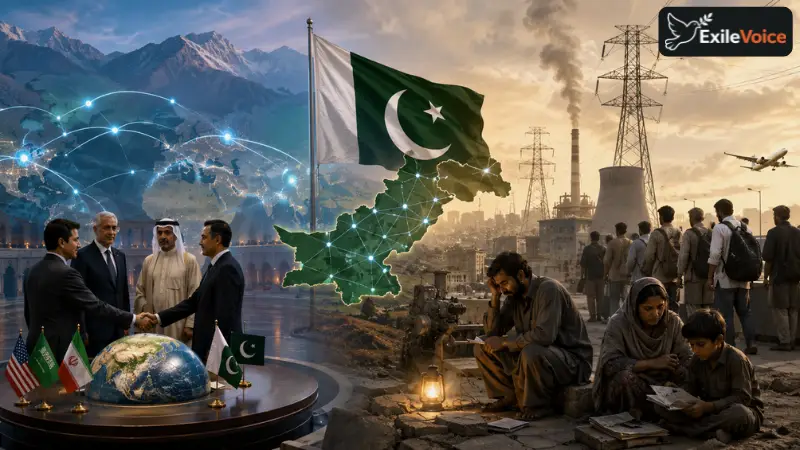
In recent weeks, Pakistan has emerged as a focal point of international diplomatic activity. High-level interactions, including the involvement of top Pakistani leadership in mediation efforts between major regional players like Iran and others, have signaling a shift in how Pakistan is perceived by global powers, including the United States and various Middle Eastern nations. For a country long associated with a list of chronic problems, ranging from internal security issues and economic instability to geopolitical tensions, this newfound relevance is a significant departure from its past status as an "international migraine."
The tangible manifestation of this diplomatic activity is visible in the increased attention Pakistan is receiving. The state has, by all objective measures, gained a degree of sovereign standing and importance that has been absent for years. This is not merely cosmetic; it involves Pakistan's inclusion in working groups concerning regional security, sanctions, and economic stabilization. However, the critical question remains: what does this mean for the average citizen? While international brokers, analysts, and diplomats may be focused on technical talks and de-escalation strategies, the average Pakistani is grappling with the fundamental realities of their daily lives, the cost of energy, the availability of jobs, and the stability of the economy.
Diplomacy, while essential, does not immediately translate into domestic relief. The prestige associated with being a "middle power" capable of mediating complex regional disputes, such as the reported efforts to secure ceasefires or manage regional tensions, is a diplomatic victory. Yet, the domestic structural issues remain largely unaddressed. The persistent gap between state-level diplomatic gains and the micro-economic realities of the population is stark. If the state’s energy imports remain costly, if factories continue to struggle, and if the youth remain desperate enough to emigrate in search of opportunities, even in countries currently experiencing conflict, then the "relevance" gained is fragile.
True, sustainable progress requires more than just international appreciation. It requires the state to leverage this diplomatic opening into tangible economic reforms. The current focus on external mediation must be matched by a rigorous internal effort to stabilize the economy, fix the energy supply chain, and restore the confidence of both domestic and international investors. Without a comprehensive strategy to convert diplomatic capital into improved living standards, this period of relevance risks being viewed as merely another cyclical phase of engagement rather than a genuine transformation.