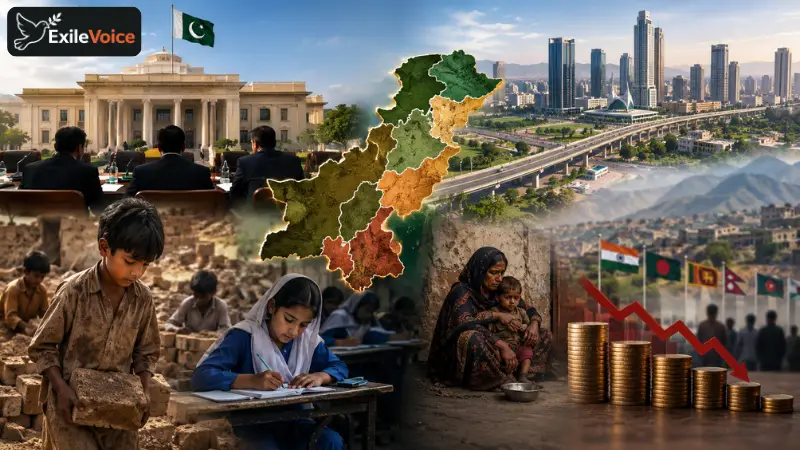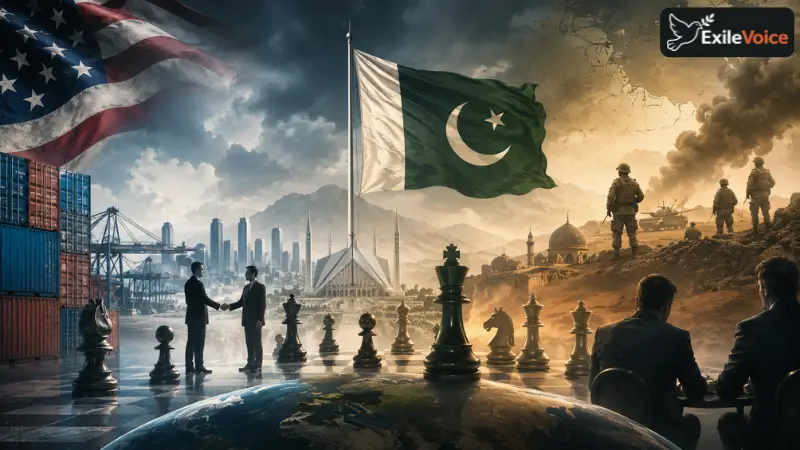
Pakistan finds itself navigating a complex and increasingly challenging geopolitical environment, marked by economic pressure from the United States and strategic uncertainties in the broader Middle East. Recently, the United States imposed trade tariffs on Pakistan, a move perceived by many as punitive, specifically citing concerns over forced and bonded labor practices within the country's manufacturing sectors. While the government has yet to issue a robust official response, the impact on Pakistan's already fragile trade relationship with the U.S. is a point of significant concern.
In contrast to Pakistan's silence, regional peers like India and China have actively pushed back against these American trade measures, labeling them temporary or subject to negotiation. This divergence in response highlights a critical vulnerability for Pakistan: its heavy reliance on the U.S. for diplomatic and economic favor, often described in domestic circles as overly cozy. Experts suggest that Pakistan must shift its approach toward more assertive trade diplomacy, particularly as India moves closer to finalizing significant trade agreements with the United States.
Beyond trade, the security landscape remains unstable. Reports, though unconfirmed, of Pakistani troops deploying to the Yemen border have surfaced, adding another layer of complexity to Pakistan's foreign policy. Given the long-standing sectarian and geopolitical proxy wars in the region, such a deployment would mark a significant departure from Pakistan’s historical stance of neutrality in regional conflicts.
Furthermore, the state of diplomatic affairs is compounded by erratic international developments, such as the U.S. Congress challenging executive war-making powers, and the fragile, U.S.-brokered ceasefire between Israel and Hezbollah. For Pakistan, these shifting alliances and the global focus on human rights and labor standards necessitate a strategic recalibration. The government is under increasing pressure to demonstrate that it is not merely a passive follower of external agendas but is actively working to safeguard its national interests, improve its human rights record, and secure beneficial trade partnerships in an increasingly competitive global market.