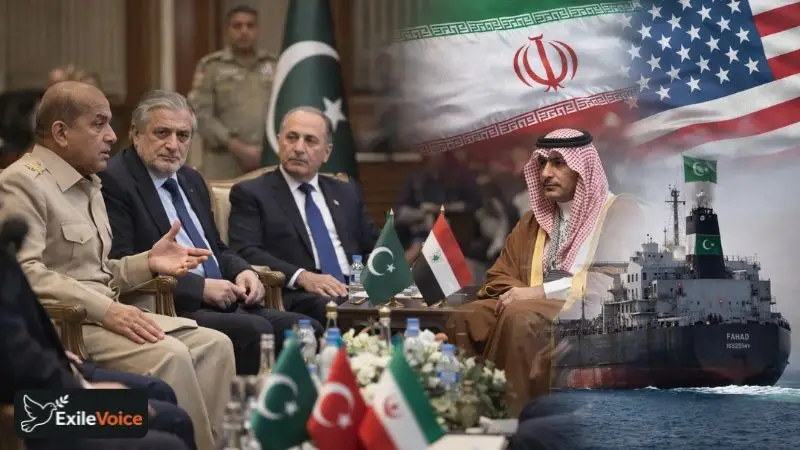
As the regional conflict between the United States and Iran enters its second month, Pakistan finds itself in an increasingly complex and high-stakes position. The Pakistani diplomatic establishment, led by Foreign Minister Ishaq Dar, has been actively projecting an image of a successful mediator. Recently, Islamabad hosted foreign ministers from Turkey, Saudi Arabia, and Egypt in a high-profile summit aimed at facilitating a U.S.-Iran dialogue. The narrative within Pakistan, often amplified by state-aligned media, suggests a diplomatic breakthrough, with officials claiming that both Washington and Tehran are receptive to Pakistan’s role as a facilitator.
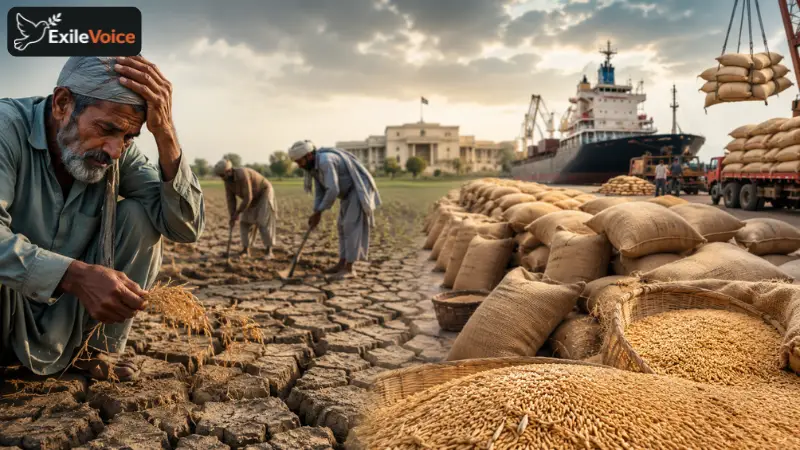
However, a deeper analysis reveals a more nuanced reality. While President Donald Trump has acknowledged Pakistan's role through social media interactions, such as retweeting Prime Minister Shehbaz Sharif, critics question the tangible benefits for the average Pakistani citizen. Domestically, the "petrol bomb" of rising fuel prices continues to strain the economy, and security concerns on the Afghan border have escalated, with reports of civilian casualties in Kunar following cross-border strikes. The strategic success touted by the government appears to be focused on high-level optics rather than resolving the pressing economic and security challenges facing the nation.
Furthermore, Pakistan’s relationship with Saudi Arabia remains a point of significant internal debate. While a defense pact exists, there is a growing sense of "buyer’s remorse" within certain sections of the establishment, as reported by the Financial Times. The concern is that Pakistan could be drawn into a direct kinetic conflict against Iran if Riyadh invokes the mutual defense agreement. For now, Islamabad has skillfully managed to avoid this trap, even receiving praise from the Saudi leadership for its restraint. Yet, the long-term sustainability of this "restraint" is uncertain as the war expands and regional pressures mount.
One notable "jugad" (creative workaround) that has emerged is the use of Pakistani flags on oil tankers. Reports indicate that Iran is allowing tankers flying the Pakistani flag to navigate through restricted waters, effectively using Pakistan’s neutral status to facilitate global energy flows. This arrangement, while beneficial for the global economy, underscores Pakistan’s role as a vital maritime corridor. As the conflict progresses, the challenge for Islamabad will be to translate these tactical diplomatic wins into long-term stability and economic relief for its people, moving beyond mere "tweet diplomacy" to substantive geopolitical security.