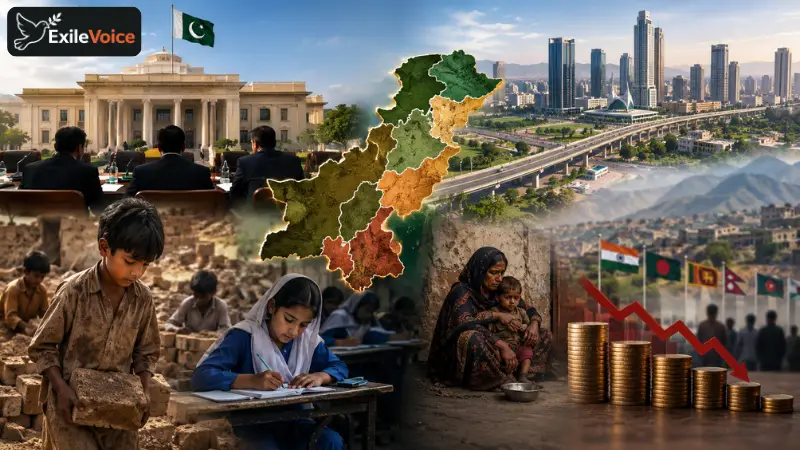
In recent political discourse surrounding the administration in Pakistan, significant concerns have been raised regarding financial transparency and administrative priorities. Analysis of recent reports highlights a growing public skepticism toward the management of state resources, particularly in the context of government expenditure amidst economic challenges.
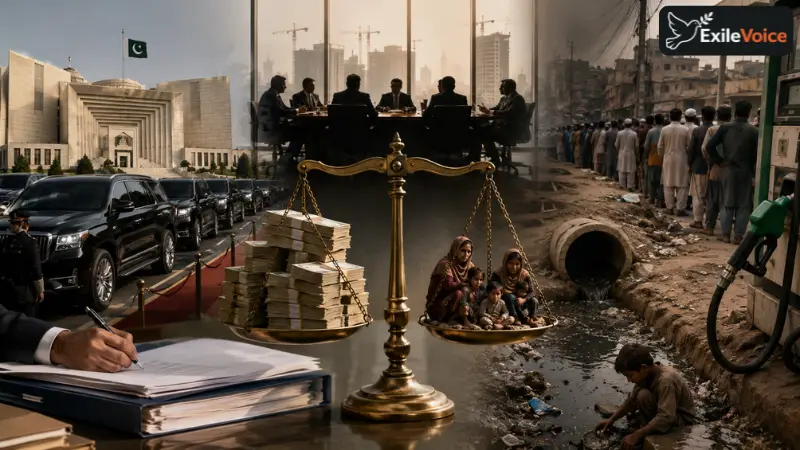
A primary point of contention involves the procurement of state assets. Reports have surfaced suggesting that while budget documents initially allocated nominal amounts for certain capital expenditures, such as VIP transportation, actual spending in supplementary grants far exceeded these initial entries. Critics argue that such discrepancies between initial budgeting and final expenditures undermine public trust and raise questions about the mechanisms for fiscal oversight. This is contrasted with the performance of peer economies, such as Ethiopia, which have successfully attracted higher levels of foreign direct investment (FDI), contrasting sharply with the current investment landscape in Pakistan.
Furthermore, there is intensifying scrutiny regarding the allocation of public funds toward institutional support versus basic infrastructure maintenance. Incidents involving critical public health and safety infrastructure, such as open sewage systems, have sparked public outrage, with critics juxtaposing these municipal failures against the substantial allocation of funds for high-level government acquisitions and administrative expenditures.
The discourse also touches upon the role of the bureaucracy and government officials in managing public perceptions. Allegations of "creative" accounting and the use of superficial justifications for expenditures have led to accusations that the government is failing to prioritize the immediate needs of the citizenry, such as energy costs. Despite global fluctuations in fuel prices, public frustration remains high regarding the pricing mechanisms applied locally, with critics noting a significant gap between global market trends and domestic retail prices.
Ultimately, these developments paint a picture of a system struggling to balance administrative aspirations with fiscal reality. As political stakeholders engage in debates over policy and governance, the core issue remains the demand for greater accountability, transparent budgetary processes, and a fundamental realignment of national priorities to address the urgent socioeconomic challenges faced by the population.