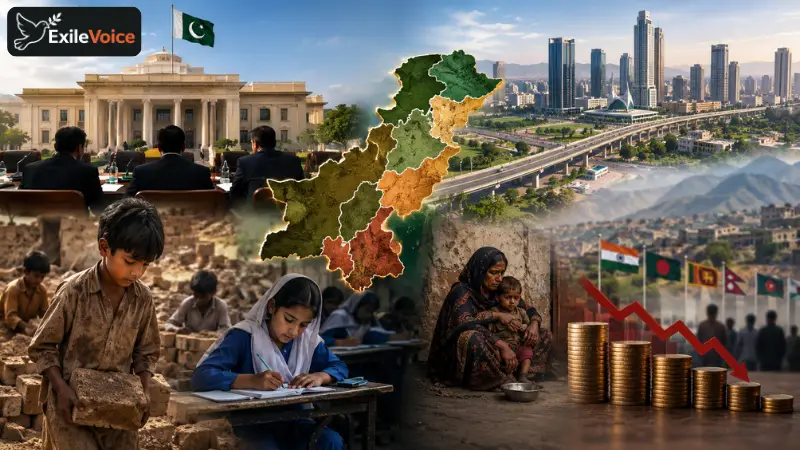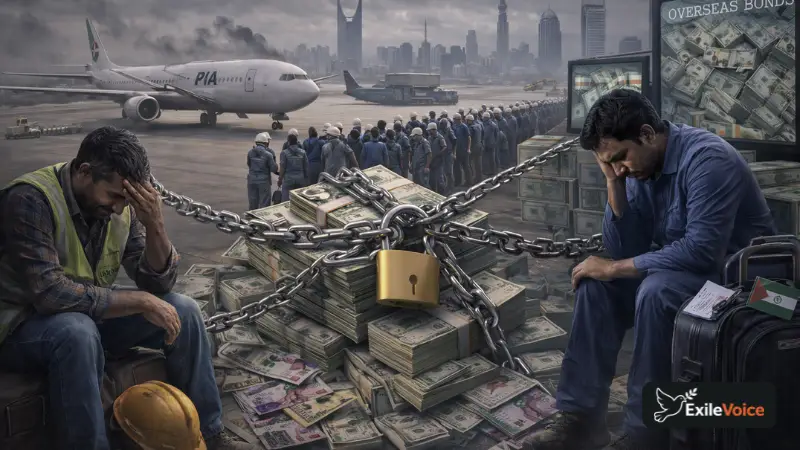
Pakistan’s current economic landscape has reached a point of unprecedented volatility, leading to controversial proposals within the halls of power in Islamabad. In a move that has sparked intense debate, government circles are reportedly considering a plan to issue $10 billion in "Overseas Bonds" by pledging the future remittances of its expatriate workforce as collateral. With approximately 10 million Pakistanis living and working abroad, their annual contributions,which reached a staggering $38 billion last year,represent the lifeblood of the national economy.
The proposal suggests that if the Pakistani government fails to repay the $10 billion debt, the lenders would have the legal right to intercept and divert remittances directly from international banking channels before they reach Pakistan. This "human collateral" strategy is seen by critics as a modern-day form of indentured sovereignty, effectively selling the future labor of citizens to satisfy immediate fiscal mismanagement. It follows recent reports of the government attempting to "pledge" the 2.5 million Pakistanis working in Saudi Arabia to secure loans from the Kingdom.
This radical financial maneuvering comes at a time when the ruling administration is simultaneously demanding extreme austerity from the domestic population. While citizens are being told to skip meals, pull children out of schools, and limit fuel consumption to save the state, the optics of governance remain problematic. Disclosures regarding the private use of state-funded assets for the families of top officials,such as "honeymoon flights" on government aircraft to luxury destinations in Austria,have fueled public resentment and highlighted a growing divide between the ruling elite and the struggling masses.
The long-term implications of pledging remittances are dire. If implemented, this strategy could undermine the trust of the overseas community, potentially encouraging them to use informal, undocumented channels (Hawala/Hundi) to send money home, thereby bypassing the very system the government seeks to leverage. Furthermore, treating citizens as a commodity for debt relief sets a dangerous precedent for national dignity and international standing. As Pakistan seeks a way out of its debt trap, the move to leverage its "human exports" may prove to be a gamble that costs more than just currency.