Pakistan is currently navigating one of its most turbulent economic periods, marked by a series of fiscal measures that have left the public reeling. Recent government decisions have pushed the cost of living to historic highs, specifically through massive increases in petroleum prices and the introduction of controversial levies on digital activity.
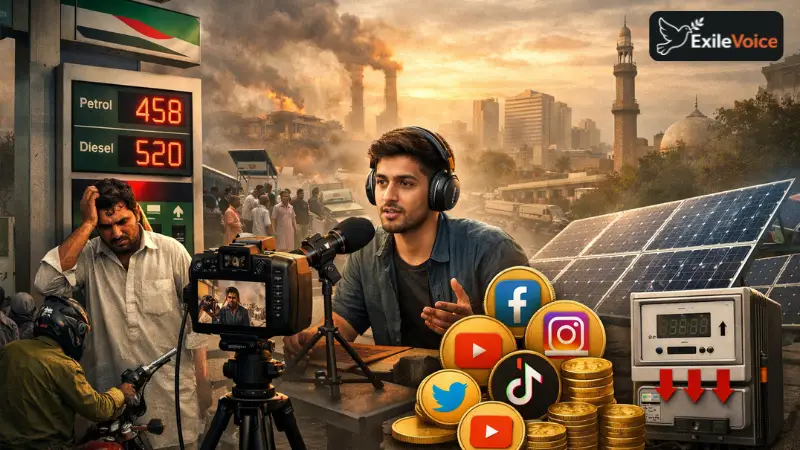
As of early April 2026, the government announced a staggering increase in fuel prices. Petrol prices rose by over 137 PKR per liter, bringing the new retail price to approximately 458 PKR. High-speed diesel saw an even sharper spike, increasing by 184 PKR to reach a daunting 520 PKR per liter. These figures place Pakistan at the top of the region in terms of fuel costs, surpassing neighboring India, Bangladesh, and even developed nations like the United States when adjusted for purchasing power. The administration attributes these hikes to global market volatility and regional conflicts; however, critics argue that the simultaneous increase in petroleum levies suggests an attempt to squeeze additional revenue from an already exhausted populace.
Beyond traditional commodities, the government is now looking toward the digital frontier to bolster its coffers. A proposed "Social Media Tax" is set to impact content creators across platforms like YouTube, Facebook, Instagram, and TikTok. Under this new framework, creators could be taxed approximately 195 PKR for every 1,000 views. This move has sparked significant backlash within the creator economy, with many arguing that it stifles digital innovation and penalizes those who have turned to social media as a primary source of income amidst a failing job market.
Furthermore, the government’s shift in energy policy regarding solar power has added to the frustration. After encouraging citizens to invest in solar energy through net metering, the authorities are now moving to revise these agreements. Reports suggest that the benefits of sending excess electricity back to the national grid may be drastically reduced or eliminated, effectively "taxing" the independence of those who spent millions to escape the cycle of high electricity bills and frequent load shedding.
The cumulative effect of these taxes, from the pump to the smartphone, represents a tightening of the fiscal noose around the middle and lower classes. While the state argues these measures are necessary for economic survival, the lack of corresponding relief or visible improvement in public services continues to fuel national discontent.