In the wake of the recent international developments involving the US and Iran, Pakistan has emerged as a central diplomatic player. By acting as a mediator in a critical global moment, the nation has significantly elevated its stature on the world stage. This diplomatic achievement has been acknowledged by global powers and has, to some extent, reshaped perceptions of Pakistan’s role in regional stability.
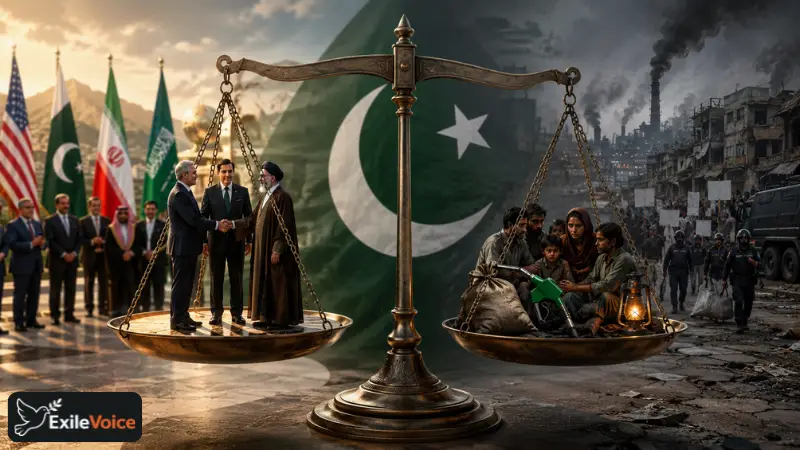
However, a critical analysis reveals a sharp disconnect between this international acclaim and the situation on the ground within Pakistan. While the state may gain prestige globally, the domestic population continues to grapple with severe economic and social issues. The rising cost of living, high electricity and fuel prices, and systemic political challenges remain persistent hurdles for the average Pakistani citizen. The diplomatic success does not directly translate into economic recovery or structural reform within the country.
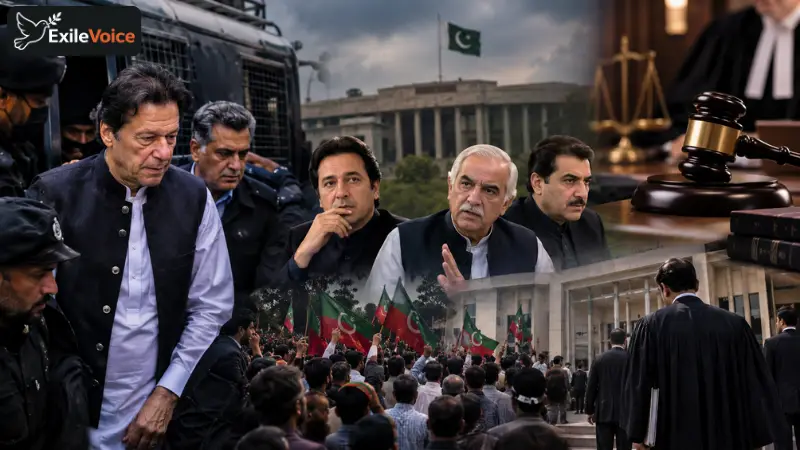
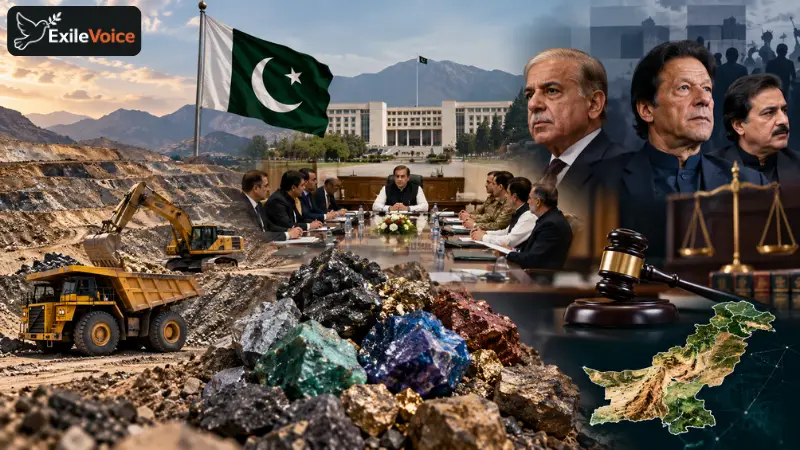
Furthermore, the internal political landscape remains contentious. Concerns regarding the judicial system, the treatment of political opposition, and issues such as human rights violations in various regions have overshadowed the government's diplomatic wins. Critics argue that the focus on high-level international mediation serves to distract from the pressing need for domestic governance reform. The contradiction between being a praised global mediator and presiding over internal instability highlights the complex reality of Pakistan’s current administration.
The narrative of "diplomatic success" is being challenged by the reality of the economic and political crises faced by the people. As the nation continues to navigate its international obligations, the need for a shift in focus toward addressing the needs of the domestic populace becomes increasingly urgent. Without substantive internal changes, the gains made on the global diplomatic front may remain ephemeral, failing to provide the much-needed relief or progress for the Pakistani people. The challenge for Pakistan now lies in bridging the gap between its newfound international relevance and its internal governance challenges.