In the wake of a stagnant 60-day regional conflict, Pakistan has pivoted away from the glamorous world of "Summit Diplomacy" toward a more discreet and pragmatic approach known as "Corridor Diplomacy." As the conflict reaches a deadlock, Turkish media outlets have recently broken stories indicating that Islamabad is silently negotiating a new formula to resolve the critical impasse involving the Strait of Hormuz and Iran’s nuclear file.
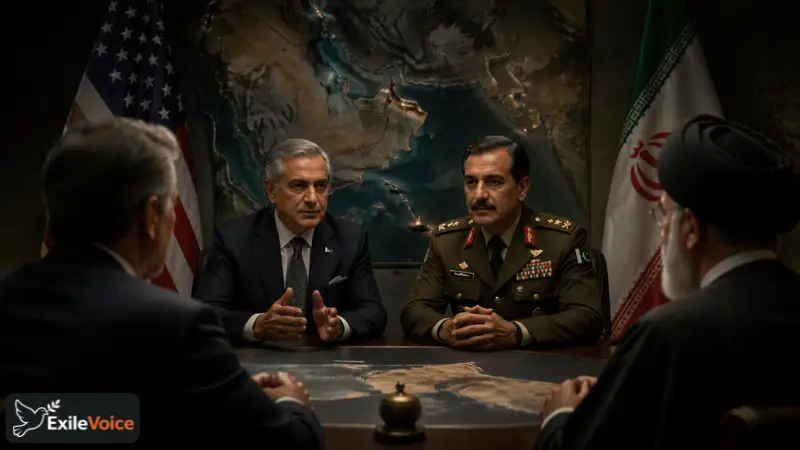
This strategic shift is spearheaded by two key figures: Finance Minister Ishaq Dar and General Asim Munir. Moving away from the red carpets, high-profile Serena Hotel lock-downs, and public handshake ceremonies that characterized previous administrations, the current leadership is engaging in "Quiet Diplomacy." Pakistan is effectively operating as a messenger between opposing red lines. On one side, Iran insists on resolving maritime security in the Strait of Hormuz before discussing nuclear constraints. On the other, the United States demands a simultaneous, side-by-side resolution of both issues.
Pakistan's role has expanded from a mere observer to a "Pressure Valve" and an intermediary. By maintaining deniable and quiet contact with both Tehran and Washington, Islamabad is attempting to soften the rigid stances of both parties. This form of diplomacy is less about public optics and more about effective message passing, ensuring that neither side crosses a threshold that would lead to total regional collapse.
Washington's perception of Pakistan is also undergoing a subtle upgrade. Influential think tanks like the Council on Foreign Relations and publications like New Line Magazine are beginning to take Pakistan’s regional security role more seriously. While Western analysts maintain reservations about Pakistan's domestic issues and its deep intimacy with China, the consensus is shifting: Pakistan has emerged as an unlikely but essential regional security actor. After years of isolation, where even top-tier leaders struggled to get a direct line to the White House, Pakistan is once again being measured and weighed as a strategic bridge in the Middle East.