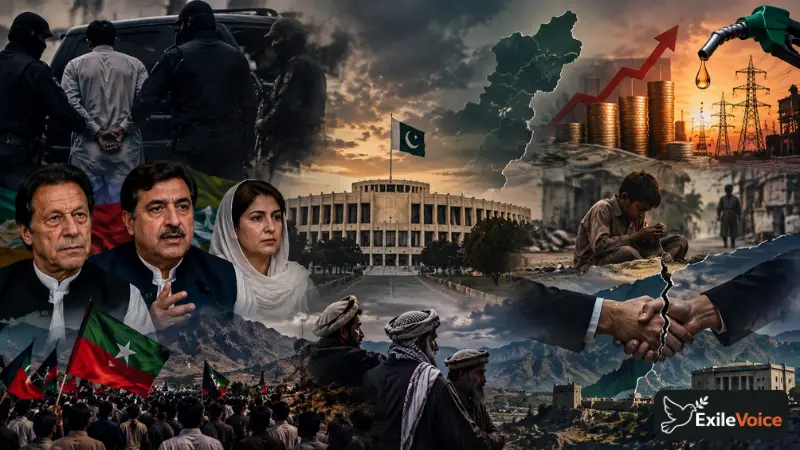
The political landscape of Pakistan is currently weathering a significant storm as the government moves toward the 28th Constitutional Amendment. Recent high-level meetings between the Pakistan Muslim League-Nawaz (PML-N) and the Pakistan Peoples Party (PPP) in Islamabad have signaled a pivotal shift in the country's legislative direction. However, the lack of transparency surrounding the draft of this amendment has raised alarms within legal and political circles.
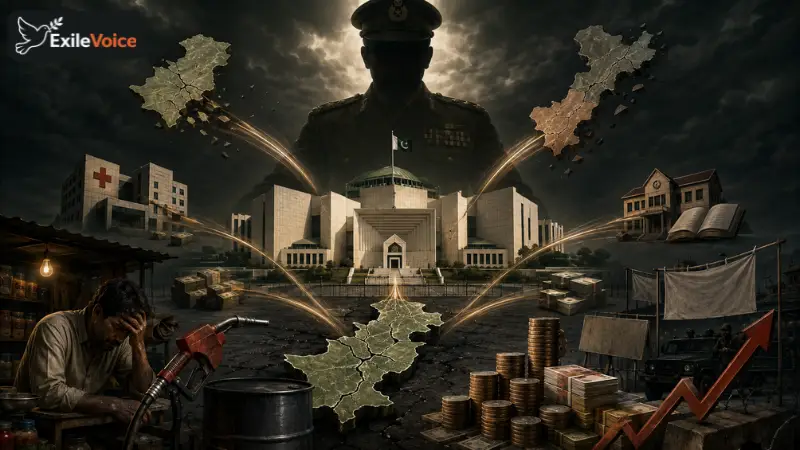
The primary objective of the 28th Amendment appears to be a reversal of the provincial autonomy granted by the 18th Amendment. By centralizing financial resources and the administration of key sectors like health and education, the federal government, and by extension, the military establishment, seeks tighter control over national funds and foreign aid. This move is viewed by many analysts as a strategic play to manage the country's mounting debt and IMF obligations by consolidating the "national share" at the federal level.
Parallel to these legislative shifts is a startling discourse regarding the presidency. Reports from seasoned observers like Kanwar Dilshad suggest a potential move toward a "Turkish model" of governance. This would involve a scenario where, should the current President resign, constitutional interpretations could be leveraged to allow a military figure, specifically a Field Marshal, to assume the presidency while remaining in uniform. The newly established constitutional benches are expected to play a decisive role in validating such unconventional transitions.
On the ground, these macro-level power shifts are manifesting as increased economic pressure on the citizenry. The government has confirmed that the petroleum levy is projected to rise to 160 PKR per liter to meet IMF conditions. Furthermore, in Punjab, small business owners are reportedly being coerced into a "Banner Tax" scheme, where they must pay for and display government propaganda or face heavy fines. These developments underscore a growing disconnect between the ruling elite and the economic reality of the common man, painting a picture of a state increasingly reliant on institutional muscle rather than democratic consensus.