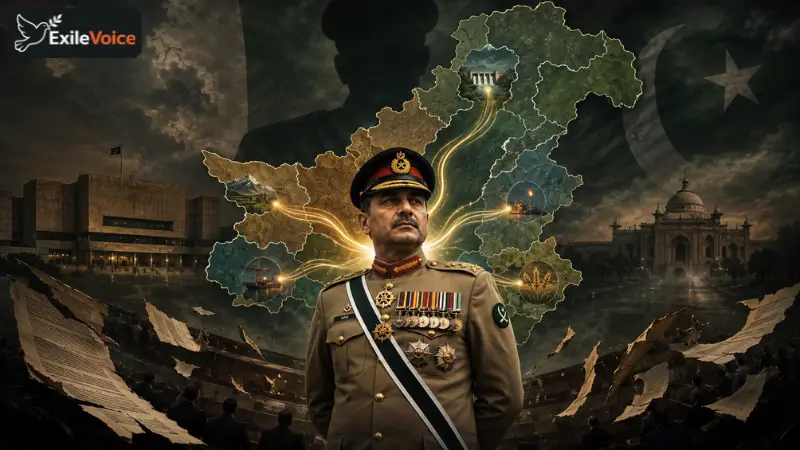
The geopolitical landscape of South Asia is currently witnessing a transformative phase that could redefine the constitutional and military boundaries of Pakistan. As of May 2026, political analysts and insiders are pointing toward a significant consolidation of power within the Pakistani military establishment, specifically surrounding the role of Army Chief General Asim Munir. Observers note that recent public addresses, particularly those delivered at the General Headquarters (GHQ), carry the weight and tone of a Head of State rather than a traditional military commander. This shift suggests a transition from a de facto leadership role to a potentially de jure presidential position.
The core of this transition lies in the proposed 28th Constitutional Amendment. While the exact draft remains shielded from public and even mainstream political scrutiny, leaked information suggests a comprehensive restructuring of the 18th Amendment passed in 2010. The 18th Amendment was a landmark piece of legislation that devolved significant powers and financial resources from the federal government to the provinces. However, the military establishment has long expressed concerns over the National Finance Commission (NFC) award, which currently allocates approximately 57.5 percent of resources to provinces. The military’s perspective is that this drain on federal resources hampers national defense and the federal government's ability to service international debt.
The proposed amendment aims to bring critical sectors like health and education back under federal control. While the technical argument for better international coordination with bodies like the United Nations has merit, critics argue the underlying motive is to reclaim financial assets and international aid packages. This move is seen as an attempt to further entrench the "Garrison State" model, where the military's influence extends deeply into the administrative and economic fabric of the country.
Furthermore, rumors of political engineering are rife. There are speculations regarding the potential resignation of President Asif Ali Zardari, which could create a constitutional vacuum. In such a scenario, some suggest that judicial orders or emergency provisions could facilitate the transfer of presidential powers to General Asim Munir. This potential development mirrors models seen in countries like Thailand and Myanmar, where military authoritarianism has historically overshadowed democratic institutions, often resulting in economic stagnation despite the country's inherent potential.