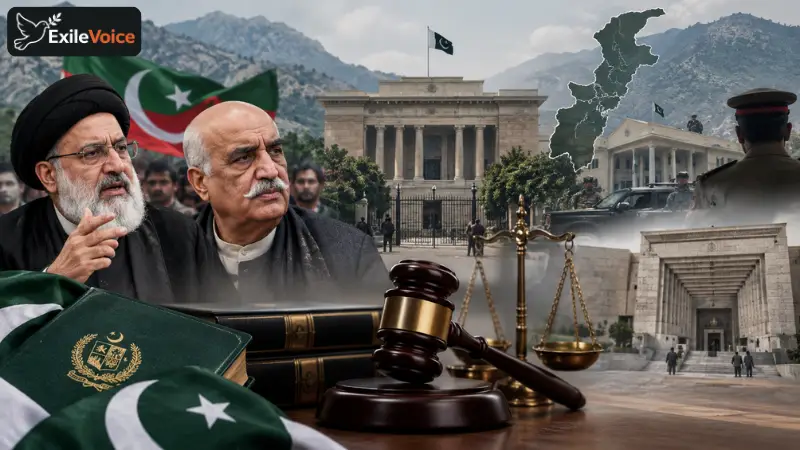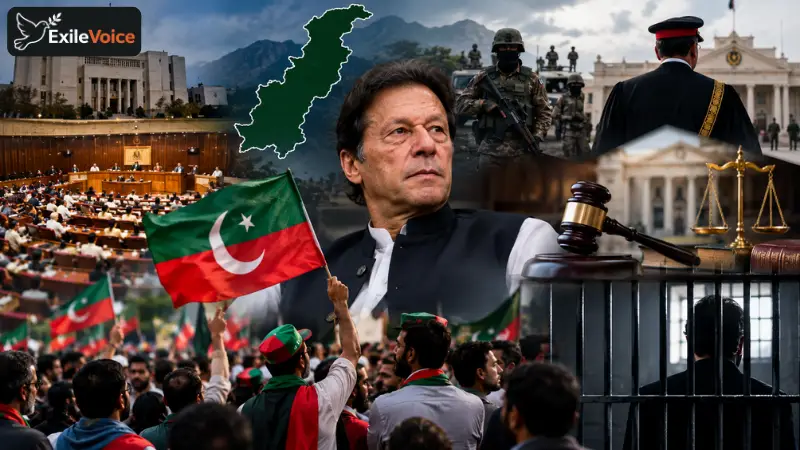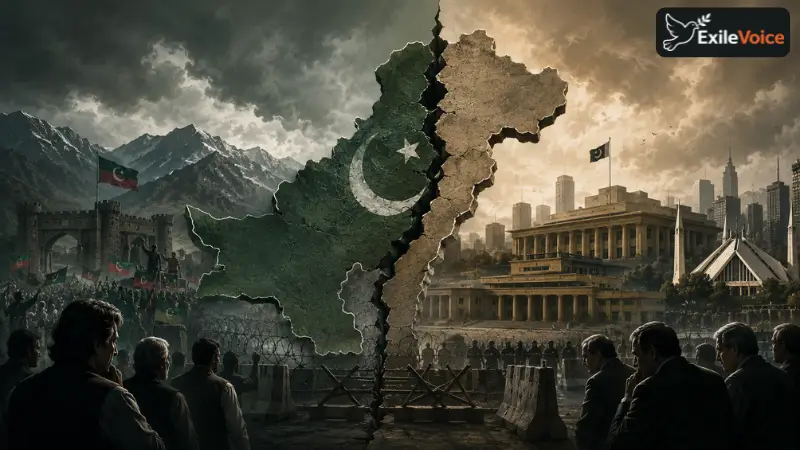
The internal political landscape of Pakistan is experiencing an unprecedented level of polarization, raising concerns regarding national cohesion and institutional stability. High-profile political figures, including senior provincial leaders from Khyber Pakhtunkhwa, have expressed profound anxieties regarding what they describe as a widening systemic chasm dividing the state. This internal friction, often characterized as the manifestation of "two separate Pakistans," highlights a growing disparity in how state resources, civil liberties, and institutional protections are distributed across political and regional lines.
At the core of this governance crisis is the ongoing friction between the federal administrative architecture and the provincial government of Khyber Pakhtunkhwa, led by representatives of Pakistanfile Tehreek-e-Insaf (PTI). Provincial leadership recently issued strong statements condemning the administrative restrictions, legal blockages, and entry denials imposed upon elected members and parliamentarians in the federal capital of Islamabad. According to provincial cabinet declarations, such actions do not merely represent localized political disputes; rather, they chip away at national integration, fuel regional biases, and undermine the structural foundations of democratic representation.
The administrative constraints placed upon dissenting voices have manifested in severe legal and logistical measures. Analysts point to the systematic blocking of passports, the imposition of travel restrictions, and the rapid registration of new legal cases against opposition figures as evidence of an increasingly securitized political landscape. While mainstream national media outlets frequently omit coverage of these provincial cabinet condemnations, the underlying institutional stress remains highly visible. Dissenting leaders argue that treating the country's largest political energy block as second-class citizens creates a unsustainable internal dynamic that compromises domestic security.
This domestic instability directly impacts Pakistan’s long-term counter-terrorism efforts. Leaders from the northwestern frontier emphasize that the province has consistently proposed comprehensive internal security frameworks aligned with local realities to combat resurgent militant networks. However, they argue that these strategic adjustments are frequently stalled or ignored due to the ongoing political standoff with the federal center. The persistent refusal to facilitate family and legal visitations for detained political figures, alongside sudden administrative crackdowns, has shifted the state’s focus away from primary governance obligations toward day-to-day political survival.
International financial observers and sovereign risk intelligence platforms note that Pakistan's external economic and diplomatic achievements risk being neutralized by this internal fragmentation. While global institutions like the International Monetary Fund express tentative satisfaction with macroeconomic indicators, and regional partners like Kuwait and China look to expand infrastructure corridors, the domestic base remains fragile. Historical precedents show that external structural relevance cannot long sustain a state if its internal political fabric becomes completely frayed by deep institutional polarization and zero-sum political warfare.