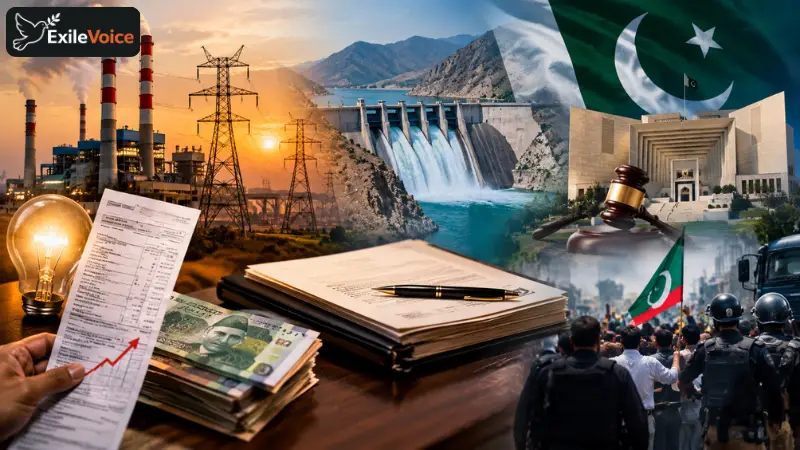
Pakistan's economic framework continues to face profound scrutiny following public disclosures regarding extended long-term agreements with Independent Power Producers (IPPs). Reports highlighting newly signed contracts spanning decades have intensified public concern, particularly as citizens grapple with exceptionally high electricity tariffs exceeding eighty rupees per unit. These developments unfold alongside prior international analyses pointing toward shelved domestic infrastructure projects, such as the Diamer-Bhasha Dam tunnels, which were projected to generate substantial hydroelectric capacity to meet national energy demands at lower costs.
Critics and media reports suggest that structural reliance on thermal and private power generation contracts often incorporates capacity payments regardless of actual energy consumption, placing a heavy fiscal burden on consumers and the national excheque. The continuation of long-term commitments, including recent arrangements with coal and thermal plants, has drawn criticism from economic observers who argue that prioritizing these agreements hinders the transition toward affordable domestic water-resource energy alternatives.
In parallel, political and legal landscapes remain volatile. Recent legal proceedings in the Islamabad High Court involving provincial legal representatives and federal officials highlighted contentious debates over executive authority, political marches, and regulatory jurisdiction. Debates centered on the boundaries of judicial review, administrative oversight, and the handling of public interest petitions without formal procedural mechanisms. Additionally, ongoing law enforcement actions and crackdowns targeting political figures and their residences have deepened civil friction, drawing widespread debate regarding constitutional rights, freedom of assembly, and the rule of law across the country.