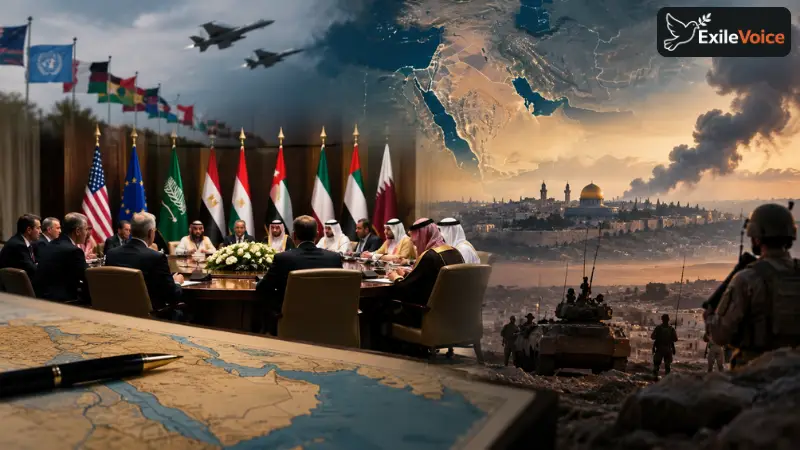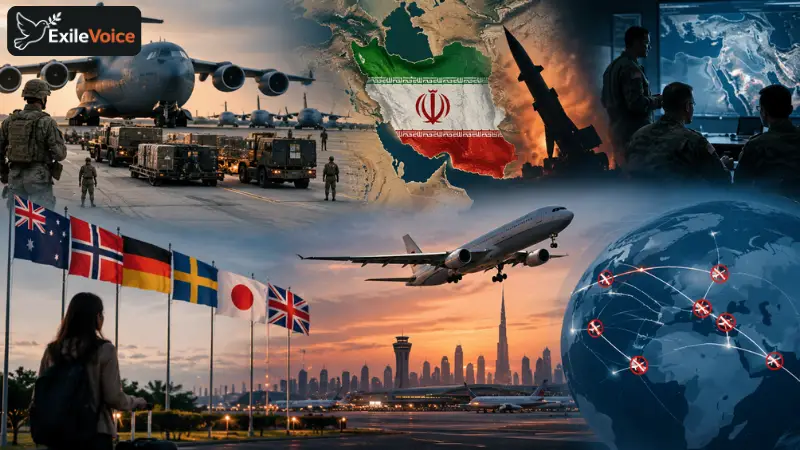
Recent geopolitical developments across the Middle East indicate a significant heightening of regional tensions, characterized by strategic military movements, high-level tactical briefings, and broad international responses. Reports from prominent global news agencies highlight a substantial influx of United States military transport aircraft arriving across regional bases in Jordan, Saudi Arabia, Qatar, Bahrain, and Israel. This logistical buildup precedes crucial diplomatic and security evaluations, including recent high-level briefings delivered to administration leadership by central military command figures regarding potential strategic contingencies concerning Iran.
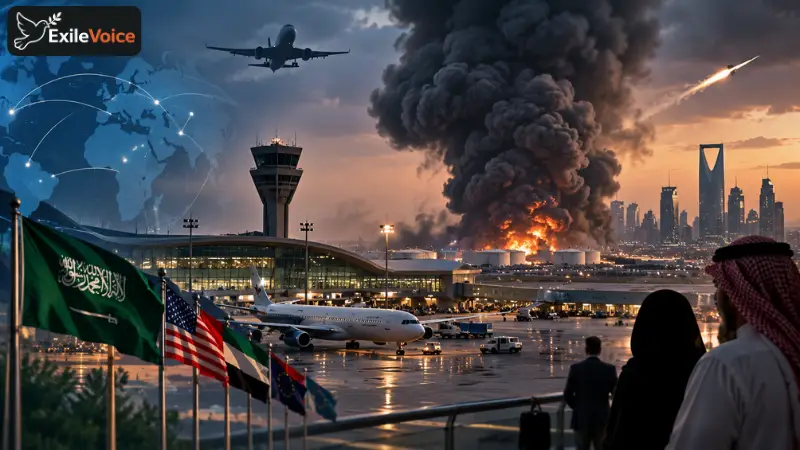
Concurrently, economic and trade data from international monitors indicate that despite ongoing trade restrictions and border controls, substantial military hardware and logistics supplies have continued to flow into regional networks. These movements underscore a complex security landscape where state actors are aggressively reinforcing their defensive postures and supply chains. In response to these escalating risks, multiple global carriers and international civil aviation authorities have temporarily suspended or adjusted flight paths to key regional hubs such as Riyadh and Dubai through late autumn and early winter.
Governments worldwide, including Australia, Norway, Germany, Sweden, Japan, and the United Kingdom, have updated their travel advisories, urging citizens residing in or traveling through the region to exercise extreme caution and maintain emergency provisions. These precautionary measures reflect deep international concern over potential sudden escalations, emphasizing the need for robust diplomatic engagement and continuous risk monitoring by multinational corporations and expatriate communities operating within the region.