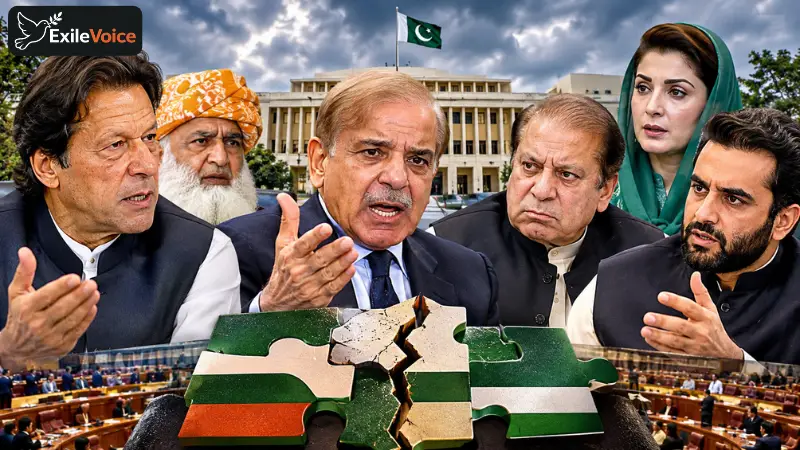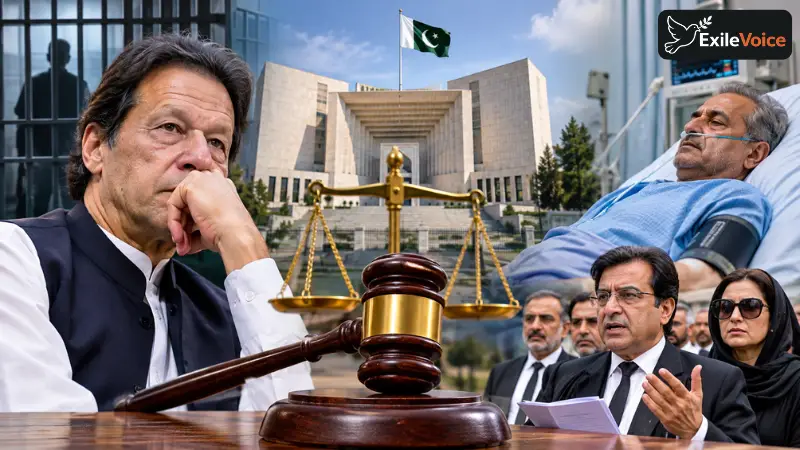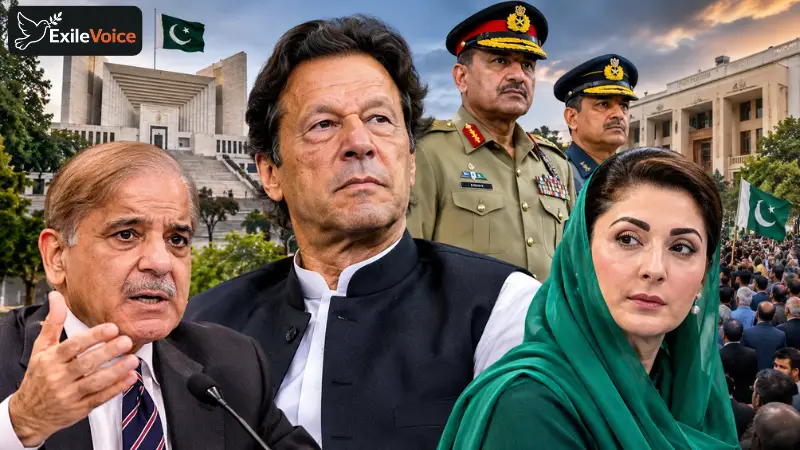
Recent political discourse in Pakistan has brought to the forefront complex discussions surrounding civil military relations, internal party alignments, and high profile institutional interactions. Analysts and media commentators have highlighted several unfolding events, ranging from health updates regarding imprisoned political figures to statements made by political representatives regarding governance structures.
A central point of discussion involves reports concerning the medical status of former Prime Minister Imran Khan, with journalists highlighting fluctuating health indicators and hospital visits. Concurrently, public statements by political figures, including remarks made by representatives regarding institutional engagements, have drawn considerable attention and debate across mainstream and digital media platforms. Observers have noted that these exchanges reflect ongoing tensions between political entities and security institutions.
Furthermore, discussions have extended to regional governance in Punjab, where commentators have scrutinized administrative decisions, security provisions for political figures, and internal party dynamics within the Pakistan Muslim League Nawaz (PMLN). Reports regarding administrative messaging and shifting alliances among coalition partners suggest a fluid political environment characterized by continuous negotiations and strategic realignments.
Political analysts also point to broader discussions regarding potential structural changes, including administrative reorganizations and the positioning of key political and religious leaders vis a vis state institutions. As various commentators offer differing perspectives on these developments, the political landscape remains marked by intense scrutiny, strategic posturing, and ongoing debates over governance and accountability.