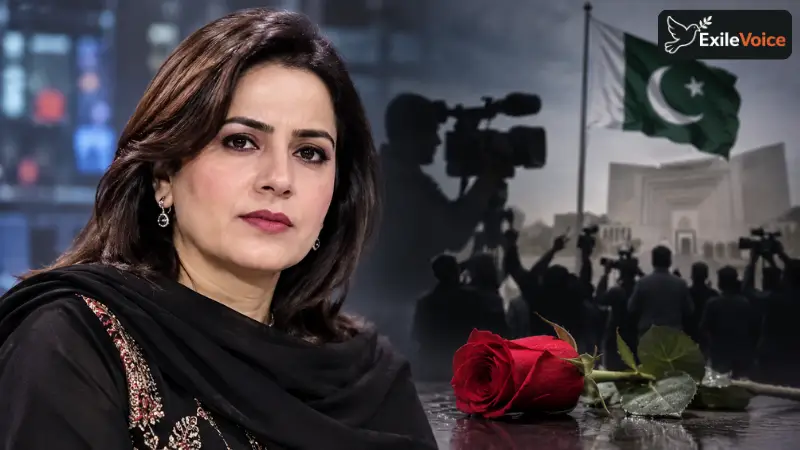

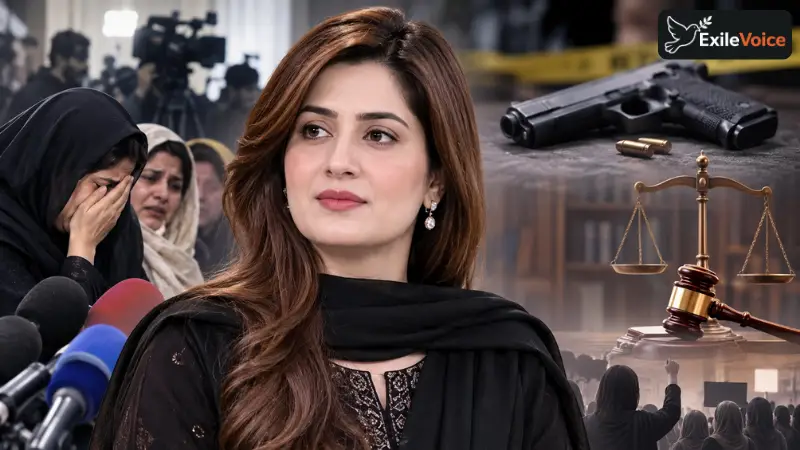
The tragic passing of prominent Pakistani journalist Rabia Ahsan has sent shockwaves through the media fraternity and civil society, prompting urgent calls for transparent investigations, institutional accountability, and a critical examination of societal attitudes toward women. Known for her dedicated career in broadcast journalism with esteemed networks such as 92 News and Aaj TV, her sudden death under distressing circumstances has left colleagues and the public grappling with profound grief and unanswered questions.
Rabia Ahsan passed away at her residence in the twin cities of Rawalpindi and Islamabad following a fatal gunshot wound. Initial accounts provided by family members suggested a tragic domestic accident involving the accidental discharge of a firearm while winter clothing was being retrieved from storage. However, initial police assessments and subsequent legal developments introduced significant complexity into the case. Prompted by concerns raised by the victim's family, an FIR under section 302 of the Pakistan Penal Code for premeditated murder was registered against her husband, leading to his immediate arrest and subsequent judicial remand for further interrogation.
The case took a bewildering turn shortly after the initial legal proceedings, when reports emerged indicating that the complainant had sought to withdraw the murder charges, citing the incident as an accidental occurrence. This sudden shift ignited intense public debate, with legal analysts, journalists, and women's rights advocates questioning the pressures and underlying systemic dynamics that often influence domestic criminal cases in Pakistan. Senior journalists and colleagues emphasized the necessity of a thorough, unbiased, and exhaustive police investigation rather than relying solely on retractions, ensuring that justice is transparently served.
Beyond the specific legal proceedings, Rabia Ahsan's untimely demise has catalyzed a broader societal reflection on the immense pressures faced by female media professionals. Balancing demanding careers in high-pressure news environments with domestic responsibilities exposes systemic vulnerabilities. Furthermore, the incident has drawn sharp criticism toward societal intrusions into personal lives, the pervasive stigma surrounding marital discord, and the lack of robust institutional support systems for women facing distress. As the legal investigation continues, the media community remains steadfast in its demand for truth, accountability, and systemic reforms to protect women and uphold professional integrity.